
Sammamish police say high‑power 'e‑motorcycles' — not classed e‑bikes — are driving complaints; education prioritized over tickets
Get AI-powered insights, summaries, and transcripts
Subscribe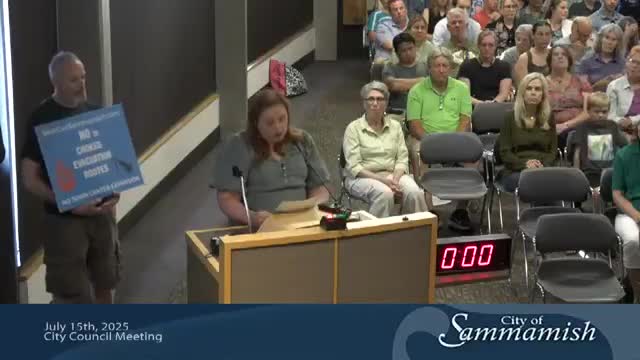
Summary
The Sammamish Police Traffic Unit told the City Council and public July 15 that most complaints are about large, throttle‑powered e‑motorcycles, not class 1–3 e‑bikes; enforcement focuses on education and parent contact because juveniles under 16 generally cannot be issued traffic infractions under county policy.
Sammamish police officials told the City Council and a large public audience July 15 that the department’s recent increase in contacts about electric two‑wheelers stems largely from high‑power, throttle‑driven devices better described as e‑motorcycles, not standard pedal‑assist e‑bikes.
Sergeant Derrick Jones, supervisor of the Sammamish Traffic Unit, summarized the department’s view: “E bikes…are not our issue. We are not having problems with e bikes,” Jones said. He added that most troublesome vehicles seen by officers have motors of 2,000 watts or more and can exceed 50 mph — characteristics that put them outside legal e‑bike classes and into motorcycle regulations.
Jones told the council the department’s enforcement toolkit is limited. By county policy, juveniles under 16 typically cannot be issued traffic infractions through the juvenile court system; the prosecutors’ office generally declines traffic infractions for that age group. For that reason, officers have emphasized education and documenting contacts with juveniles and their parents. “The direction we’ve chosen to take is largely relying on education,” Jones said.
The department has also revised the Police website content on electric bikes and motorcycles, restarted social media “Traffic Tip Tuesday” videos and requested the school district’s help distributing safety information in fall parent communications. Councilmember Rosheen O’Farrell suggested the department also connect with local PTAs and use National Night Out as an outreach opportunity.
Questions from councilors addressed where the vehicles belong and how residents should report problems. Jones said many e‑motorcycles are marketed for off‑road use but are being ridden on public streets, sidewalks and trails; they generally lack required lights, horns and mirrors and therefore are not road‑legal. He said class 1–3 e‑bikes remain limited to 750 watts and top speeds of 20–28 mph, while the higher‑powered devices causing complaints operate at thousands of watts.
Police asked residents to report in‑progress reckless behavior to 911 so dispatch can send a deputy; non‑emergency reports still help the department identify geographic and time‑of‑day trends. Jones said most parent and rider contacts have been constructive; the department is documenting repeat contacts so it can consider escalating enforcement options, including potential parent liability in persistent cases.
No new penalties or ordinances were adopted at the meeting. City staff said they will continue outreach via schools, social media and the MySammamish reporting app, and will coordinate with King County and neighboring jurisdictions that are also addressing the surge in high‑power electric vehicles.