
Finance director projects $5.8M annual shortfall in multi‑year budget, commission flags cuts and fees
Get AI-powered insights, summaries, and transcripts
Subscribe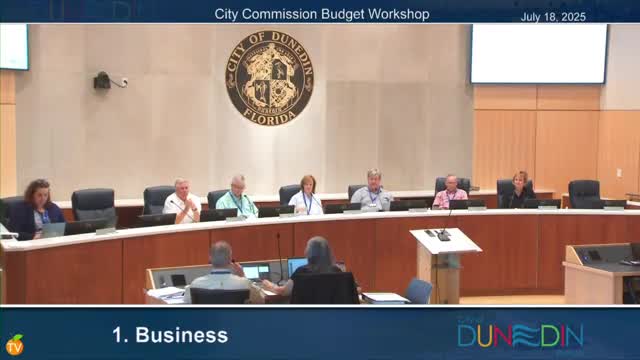
Summary
City Commission members and staff used a budget workshop to review a draft fiscal 2026 budget that staff said is balanced for next year but shows a growing structural shortfall in later years.
City Commission members and staff used a budget workshop to review a draft fiscal 2026 budget that staff said is balanced for next year but shows a growing structural shortfall in later years. Finance Director Les Tyler told the commission the city’s five‑year forecast now shows a recurring annual shortfall averaging about $5.8 million, up from an earlier five‑year estimate of about $2.1 million.
Tyler said the city should still adopt a balanced fiscal 2026 budget but must prepare a plan that blends expense reductions and revenue actions to avoid deeper deficits in 2027–2031. The workshop included discussion of storm‑damage reimbursements, capital requests and personnel costs.
Why it matters: the new projection reflects several converging pressures — slower assessed‑value growth and other revenue flattening; higher operating costs (insurance, contracted services and internal service fund charges); and added capital needs including storm recovery, wastewater upgrades and the Highlander Aquatic Complex. With a policy target reserve of 15 percent, staff said the general fund reserve is projected at 15.7 percent in 2026 but would decline sharply in later years under current assumptions.
Key figures and drivers - Fiscal 2026: proposed budget shown as balanced; projected available general fund reserve about 15.7 percent (policy = 15 percent). - Five‑year picture: staff reported an average annual structural shortfall of about $5.8 million in the forecast window, up roughly $3.7 million from the prior five‑year projection. Staff attributed the change to lower revenue projections (about $3.8 million less over the five years) plus higher operating and capital spending (about $14 million more over the five years). - Storms and reimbursements: staff summarized storm expenditures and expected FEMA and state reimbursements. A line of credit of approximately $4.3 million was shown as a planning figure to bridge cash timing; FEMA and state payouts remain estimates and will be refined as projects are obligated. - Major capital: the draft includes an $8.3 million general‑fund contribution to the Highlander Aquatic Complex; staff modeled short‑term debt for construction with the intention to shift part of the debt service to a future Penny for Pinellas program if approved by voters.
What staff and commissioners discussed - Revenue assumptions: Tyler said assessed values used in the tentative budget reflect conservative AV growth and that some revenue lines (gas tax, certain shared taxes) have flattened compared with the high growth years after COVID. - Operating pressures: commissioners flagged rising insurance and labor costs as important ongoing drivers and asked staff to bring specific options for containment, including program reductions, schedule/level‑of‑service changes and efficiencies from audits already underway. - Capital prioritization: commissioners directed staff to treat non‑critical capital as deferrable and to prioritize projects that address legal, safety or essential utility needs. Several members emphasized exploring Penny for Pinellas and other grant opportunities before committing general‑fund resources.
Next steps and decisions requested of the commission - Staff will continue to refine the fiscal 2026 tentative budget and return with more detailed options for reducing the multi‑year shortfall: a menu of expenditure reductions, proposed user‑fee adjustments, and a plan for timing and structure of any property tax (millage) changes. - Staff will provide a compact “cheat sheet” showing current debt, purpose and repayment sources to clarify how existing obligations — including enterprise fund passthroughs such as the Blue Jays/ballpark arrangement — affect the general fund. - The commission asked that staff present a multi‑departmental plan that tests combinations of (a) targeted fee increases, (b) program reductions or service level changes, and (c) capital deferrals, with estimated fiscal impact for each.
Sources and participants Finance Director Les Tyler led the presentation with Budget Manager Jean Horschwater and City Manager (Jennifer). Staff and commissioners discussed revenue and expense drivers for the general fund and enterprise funds. The workshop also included department presentations and a summary of storm costs and projected FEMA/state reimbursements.
End note: staff emphasized the fiscal 2026 budget before the commission is a one‑year legal adoption and that the five‑year projection is a planning tool meant to prompt policy choices about the city’s long‑term mix of services, fees and capital commitments.