House Republicans’ THUD Bill Cuts Rental Aid, Prompting Sharp Democratic Opposition
Summary
House Republicans’ transportation, housing and urban development (THUD) appropriations bill for FY2026 drew unified Democratic criticism at a July markup for proposed reductions to HUD rental assistance, homelessness programs and fair housing enforcement; Republicans say the bill prioritizes transportation safety and fiscal restraint.
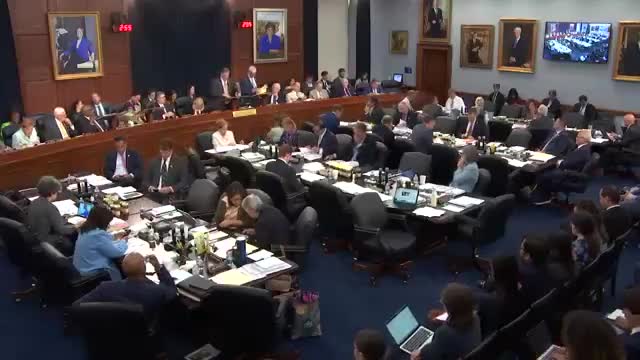
House Republicans’ FY2026 transportation, housing and urban development appropriations bill prompted sustained Democratic objections during a July markup, with Democrats saying the measure would sharply reduce rental assistance and homelessness funding, weaken fair housing enforcement, and raise the risk of eviction for hundreds of thousands of low‑income households. Ranking Member James Clyburn (D‑S.C.) called the proposed cuts “devastating,” and urged a no vote.
Democrats said reductions to Section 8 renewals and other rental assistance accounts would increase homelessness and eviction risk. Representative Rosa DeLauro (D‑Conn.), the full committee ranking member, said the bill “shortchanges homeless assistance grants” and cited an estimate that the plan would leave roughly 28,000 fewer people receiving housing help through Continuum of Care programs. Representative Debbie Wasserman Schultz (D‑Fla.) said the legislation “threatens to push nearly 415,000 low income households off of rental assistance or into eviction.” Representative Jan Schakowsky and others raised similar counts and said elderly, disabled and veteran households would be disproportionately affected.
Republicans framed the bill as fiscal discipline and a reprioritization of funding toward safety and core infrastructure. Subcommittee Chair Trevor Womack (R‑Ark.) said the bill “meets our nation's most critical transportation and housing needs while reducing excessive spending and regulatory burdens,” and highlighted increases for FAA facilities and airport improvement programs.
Democratic speakers pressed specific programmatic consequences. DeLauro noted cuts to the HOME investment partnerships, NeighborWorks, housing counseling and legal assistance for eviction prevention and said the bill would “end grants to 10 HUD certified housing counseling agencies in South Carolina.” Representative Nydia Velazquez and other Democrats said the bill would sharply reduce Fair Housing Initiatives Program funding. Representative Mary Peltola (D‑Alaska) and others emphasized the bill’s impact on rural or high‑need communities.
Several Democrats pledged amendments to restore or protect programs. Representative Rosa DeLauro said she would offer amendments to restore funding for HOME, legal assistance, housing counseling and NeighborWorks; Representative Jim Clyburn offered a broader amendment to restore HUD and homelessness funding and to strip broad waiver authority included in the bill.
The subcommittee also debated transfers of IIJA (Infrastructure Investment and Jobs Act) advance appropriations. Chair Womack defended transfers that shift unspent IIJA balances into priority safety and air traffic programs, saying some IIJA accounts had low obligation rates and that the subcommittee redirected funds “to invest in programs with a real return on investment.” Democrats objected that moving IIJA balances would undercut longer‑term infrastructure commitments and deter project planning.
The markup moved forward on a party‑line basis. Democrats repeatedly appealed to the housing crisis and to programmatic consequences for vulnerable households; Republicans pressed the need to reallocate limited discretionary resources. Several members urged negotiating with the Senate and the administration to restore programs through the regular budget process rather than through riders.
What’s next: The subcommittee adopted the bill for floor consideration and Democrats signaled intent to offer amendments in the full committee and on the floor to restore housing and eviction‑prevention funding.
Ending: The markup revealed a sharp partisan divide over how to balance housing assistance, homelessness prevention and fiscal constraints; the fight over restoration amendments is likely to continue as the bill moves toward floor consideration.