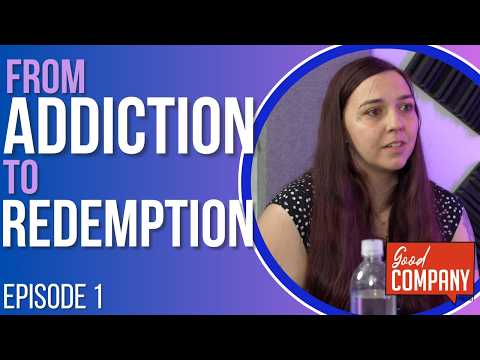
Paulding County resident credits drug court and local services for recovery after years of addiction
Loading...
Summary
Kaylee Smith, a Paulding County resident, told the Good Company podcast she spent roughly a decade battling substance use before graduating from the Paulding County drug court program in January and said court oversight, program staff and community supports helped her sustain recovery.
Kaylee Smith, a Paulding County resident, told the Good Company podcast that she spent roughly a decade struggling with substance use before enrolling in and graduating from the Paulding County drug court program in January. Smith said the program's strict schedule, frequent drug screening and support from court staff helped her maintain sobriety and rebuild her life.
Smith said she first noticed problematic use at about 16 or 17 and that the dependence escalated over the following years. "It was awful," she said of the period when she could not control her use. She described homelessness, sleeping in her car and multiple stints in residential treatment and jail before pregnancy and later drug court participation changed her path.
The program Smith described is an 18-month minimum drug court with five phases that requires frequent court appearances, curfews and near-daily drug tests in its early stages. "The strict part of it in the beginning was kind of what I needed to get a grip on everything," she said. Smith credited Paulding County court staff, a coordinator named Madeline and a judge identified in the interview as Judge Bucci with offering support and oversight that she said helped her complete the program.
Smith said her first son was removed from her care when he was about three weeks old after she overdosed; she later said her parental rights were terminated and the child remains with family members. She described multiple attempts to reunify, including residential programs that allowed mothers and children to live together, but also recounted relapses that interrupted reunification efforts. "I thought a baby would save me. It did not work like that," she said.
Smith described entering a supervised residential program that offered visits and nearly a year of treatment. After leaving and relapsing, she said she ultimately re-entered treatment more successfully and later enrolled in drug court. She also described COVID-era challenges in recovery, noting that pandemic restrictions curtailed peer support meetings.
Since graduating drug court in January, Smith said she has continued recovery supports, attends school full time online studying emergency management, and is the parent of two young children (a nearly 2-year-old and a 2-month-old). "I have a lot of support now. The worry part of doing everything on my own is gone," she said. Smith said she is on the dean's list at her college and plans to pursue a bachelor's degree.
Smith also described participating in community service through the program, including packing about 75 bags with clothing and essentials for children entering foster care. She said program social events and volunteer projects helped create a sense of community and purpose. She and other program participants also took part in an event at Polymeadows Park.
Smith urged others in active addiction not to give up. "Just keep trying," she said. "Try something and keep trying until something works. Something will click and stick with it." She told the host that the combination of court oversight, community supports and personal determination made the difference for her recovery.
The interview also referenced the Paulding County Collaborative as an influence on Smith's interest in emergency management after she toured the Collaborative's operations center. Smith described the facility as an "all the TVs on the wall" coordination center that inspired her academic focus.
The interview contains first-person accounts of medical crisis, multiple treatment episodes, child removal and termination of parental rights; those are reported here as Smith described them. The podcast discussion included named program staff and court officials who Smith identified as having supported her recovery, and she described program structure and timeline as she experienced it.
Looking ahead, Smith said she wants to homeschool and remain involved in community events while finishing her degree and maintaining her recovery. She remains without contact with her first son, saying contact could be resumed if he chooses in the future, and said she continues to receive informal support from people who worked with her in the program.