
Tribal leaders stress cultural history as Milltown State Park reopens fish habitat
Get AI-powered insights, summaries, and transcripts
Subscribe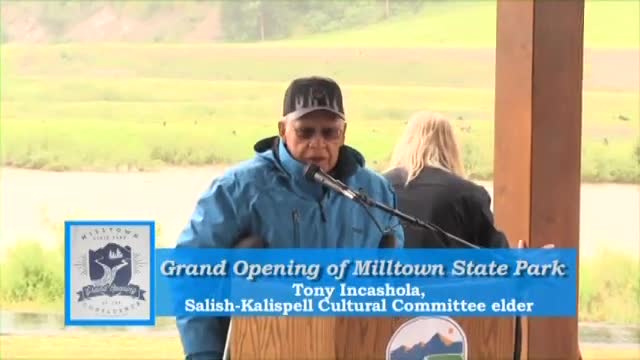
Summary
Salish and Kalispel tribal leaders said the restoration of Milltown State Park restores culturally important places, traditional names and fish habitat, and called for continued stewardship and interpretive programming to honor tribal history.
MILLTOWN, Mont. Tribal leaders at the Milltown State Park dedication emphasized the cultural and historical importance of the site to Salish and Kalispel peoples, describing the park as a place for reviving traditional connections to rivers and fish species such as bull trout. "This place is called Nijkshtunk, place of the big bull trout," said Tony Inconshola, director of the Salish Kalispel Culture Committee. "When you walk down there, the river you're gonna see why they called it the nightstand because of the big bull trout." Inconshola spoke about ancestral songs, place names and the role waterways played as travel corridors and sources of food. He said removing the dam and cleaning sediments has helped restore fish passage and features that supported tribal lifeways for thousands of years. Ronald Trahan, chairman of the Confederated Salish and Kootenai Tribes, said the restoration returned access to lands and waterways traditionally used by his people and urged continued care so future generations can use the place. "What we do now is what we're leaving for our other generations to follow us," Trahan said. Speakers linked cultural interpretation to on-site programming and signage. Tony Inconshola and tribal partners have worked with Montana State Parks and local groups to develop interpretive content, audio archives and other materials that present Salish language place names and histories to park visitors. The dedication included a traditional honor song by the Yamansuit singers and several speakers described the sound of the drum as evoking ancestral memory and continuity. Tribal remarks at the ceremony also acknowledged intertribal relationships and historic travel routes through nearby passes and canyons. No formal tribal policy action or land transfer was announced at the ceremony; remarks focused on cultural interpretation, stewardship and the ecological benefits of cleanup work. Tribal representatives asked the public to respect the place and to learn its history through on-site interpretation and programming. Ending: Tribal leaders said the park provides an opportunity to teach visitors about tribal place names, historical lifeways and the ecological values central to those traditions, and they encouraged continued tribal participation in interpretation and stewardship.