
Osprey monitoring shows low heavy metals overall but flags mercury hotspots near historic gold mines
Get AI-powered insights, summaries, and transcripts
Subscribe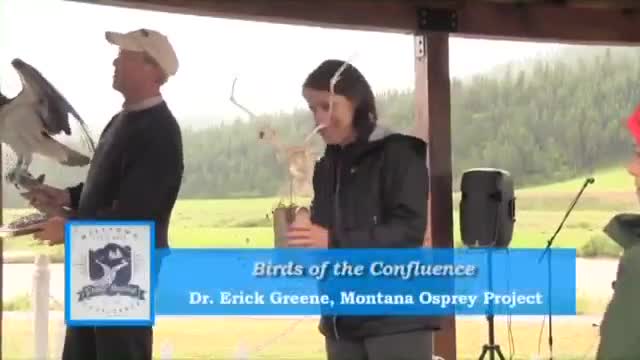
Summary
Osprey researchers reported low levels of several heavy metals in chicks sampled across the Clark Fork and Blackfoot systems but said they detected notably elevated mercury in chicks linked to historic gold-mining tributaries; the monitoring program is being used to track river health and to inform state follow-up on mercury sources.
An osprey researcher who has led long-term monitoring of raptors in the Clark Fork basin described how osprey chicks provide a high-resolution indicator of river-borne contaminants.
The nut graph: because osprey chicks are fed on locally caught fish, their blood and feather samples reflect contaminants in the immediate aquatic food web. The researcher said monitoring over many nests shows low concentrations of the large heavy metals associated with mining remediation in most of the system, but strikingly high mercury concentrations in chicks downriver of old gold mines and some Flint Creek tributaries.
Program methods and results: the research team collects small blood and feather samples from nestlings at about the size when they can be handled safely, then returns chicks to nests. That sampling produces spatially explicit contaminant data because chicks were fed on fish within a short distance of their nest. The presenter said the program has sampled roughly 200 nests across the Clark Fork, Blackfoot and Bitterroot systems and has taken thousands of visitors through education programs tied to the monitoring. He reported that concentrations of arsenic, cadmium, copper, zinc and lead in chicks are generally low and that the cleanest samples were, surprisingly, from the Warm Springs ground-zero area after remediation. However, mercury levels in some nests were very high; the speaker compared human screening levels (about 5 parts per billion) to measured osprey chick concentrations in some spots of 500 to 5,000 parts per billion and said that prompted targeted state attention.
Ending: the researcher credited Natural Resource Damage program funding for supporting public education tied to the monitoring and said the osprey work both informs science-based management and yields public engagement opportunities: volunteers and visitors have participated in nest checks and sample collection that helped spread awareness of river health.