
Wildlife biologist says Milltown area is a key regional corridor; urges planning to preserve movement
Get AI-powered insights, summaries, and transcripts
Subscribe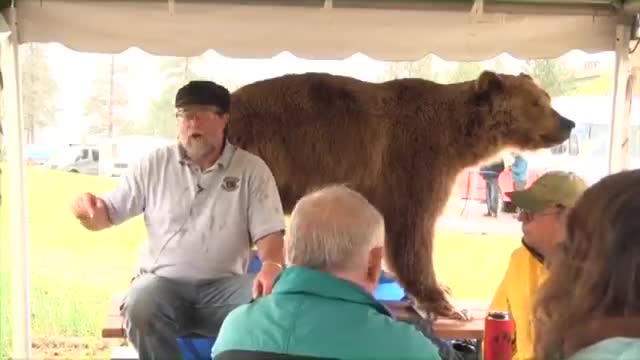
Summary
A wildlife biologist at the Milltown Confluence event described the Milltown/Bonner/Pilotsville area as a major funnel for wildlife movement across several mountain ranges and urged trail planning and open-space protection to maintain habitat connectivity for species including moose, elk, black bear, wolves and occasional grizzly bears.
A wildlife biologist who spoke at the Milltown Confluence opening asked attendees to view the park not only as recreation space but as a critical wildlife funnel linking multiple mountain ranges and river corridors.
Why it matters: the speaker said the Missoula-area valley complex funnels animals from the Missions, Garnet and Sapphire ranges through tight passageways near Milltown, creating predictable movement paths for elk, moose, deer, bears, mountain lions, wolves and other species. The biologist said the landscape''with interlocking ridgelines and river corridors intersecting near the park'is one of the more important wildlife areas in the Missoula Valley and that trails and open-space decisions influence animal movements and conflict risk.
The speaker described frequent wildlife encounters in developed areas (moose in town, vehicle strikes on bears, lions and wolf sightings on rail grades) and argued that trails and park design can help funnel wildlife where safe crossings exist. They noted specific site features discussed in planning: Bandman Flats (trailhead proposed by park staff), potential pedestrian bridge connections, and existing long spans on Interstate 90 that could serve as movement opportunities. The speaker credited existing community groups and outreach programs (Friends of Two Rivers, be-bear-aware outreach) and urged continued attention to garbage, campsite and attractant management to reduce human-wildlife conflict.
Ending: the speaker framed the Confluence area as simultaneously a public-recreation asset and a key wildlife linkage, and encouraged continued collaboration among park planners, the highway department and wildlife managers to reduce conflict and preserve connectivity.