Get Full Government Meeting Transcripts, Videos, & Alerts Forever!
Get email alerts on the Housing Policy topic
No spam. Unsubscribe anytime.
Council sets ranking process to pick members for industry-led housing affordability task force
Summary
Councilors agreed to a ranked choice selection process to nominate about 15 industry representatives to a housing affordability task force; staff will email the candidate list and compile rankings for formal appointment at a future meeting.
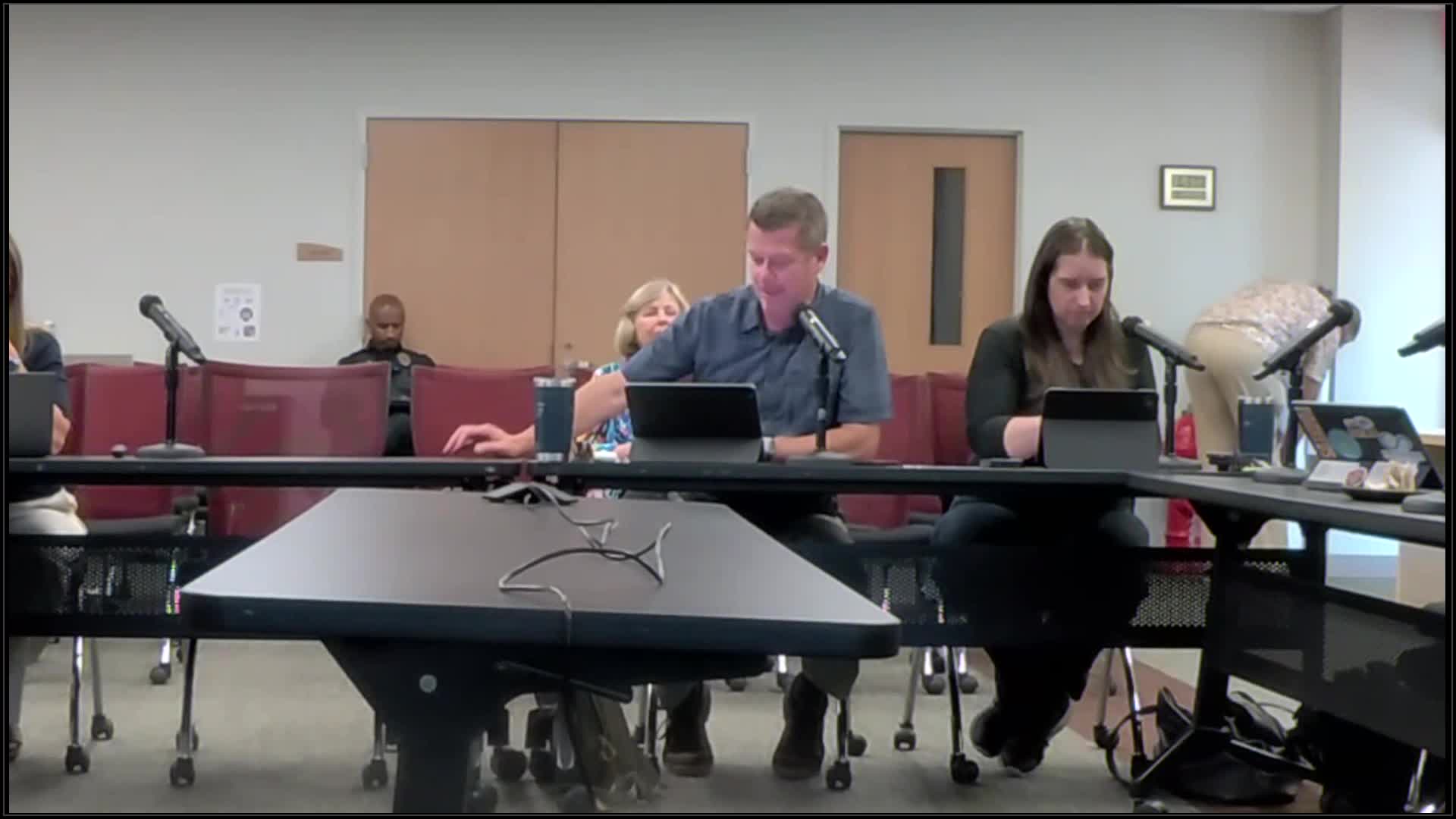
Johnson City councilors directed staff to use a ranked-selection approach to assemble an industry-led, staff-supported housing affordability task force after receiving more than 40 applications from builders, developers, architects and other housing stakeholders.
Staff member Mike told council that the city had opened a call for applications and received more than 40 submissions. “You can see you have over 40 applicants,” Mike said. He explained the intent: the task force should be industry-led, reflect diverse roles in the development process, and be sized to produce practical recommendations.
Council members agreed to a ranked voting method for selection. Johnny (staff) will distribute a ranked-choice form to council members; each council member will rank candidates and staff will compile the results and return a recommended list of approximately 15 appointees for formal council action. Mayor Pro Tem Cole and other council members emphasized a desire for at least one planning-commission representative on the panel; the planning commission had proposed two names (Sandra Marley and Robert Cantaro), and council agreed that if either planning commissioner ranked into the top 15 they would be included.
Scope and composition: Staff recommended a panel of roughly 10–15 members, representing engineers, architects, developers, builders, nonprofit housing providers and other practitioners who interact with the city’s development-review process. Mike said the task force would be industry led and would determine its own chair, vice chair, meeting schedule and internal procedures; staff would provide administrative support and a staff recommendation where appropriate.
Public process and timing: Councilmembers asked staff to provide applicants’ contact details so they could perform due diligence before voting; staff will first notify applicants that council may share contact details for that purpose. The city will seek to compile council ranks quickly; staff proposed a short window so the compiled list could be placed on the next available meeting agenda for formal appointment. Mike said staff could place the appointments on the following council meeting if members return rankings promptly.
Discussion versus decision: Council used the workshop to develop the selection method and timeline; council did not make final appointments during the workshop. The formal appointment of members will occur at a regular council meeting using a resolution or appointing motion after staff compiles the ranked results.