
Denver council approves Salvation Army contract for Crossroads shelter amid staffing and safety concerns
Get AI-powered insights, summaries, and transcripts
Subscribe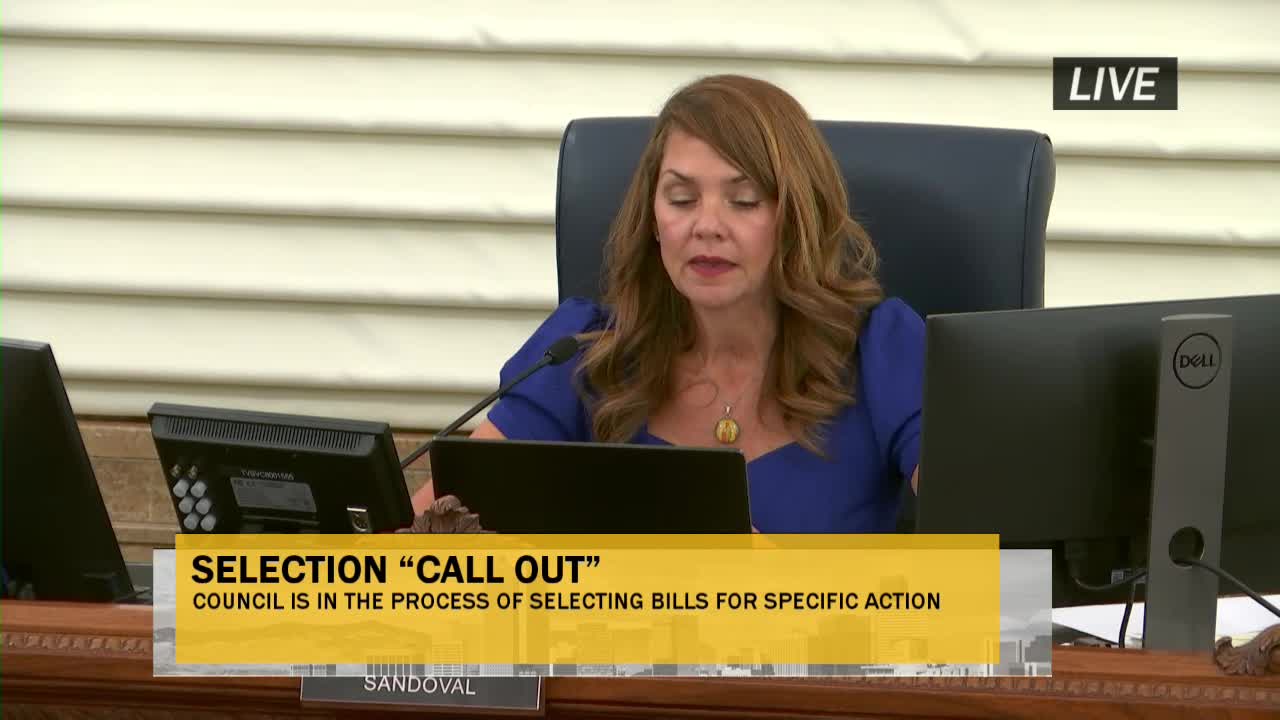
Summary
The Denver City Council voted 9-4 to adopt resolution 25-0713 renewing a contract with The Salvation Army to operate Crossroads, a 24/7 low-barrier emergency shelter, after hours of questioning about staffing, donated supplies, reported incidents and city oversight.
Denver City Council on June 23 adopted resolution 25-0713 to revive and amend an agreement with The Salvation Army to operate Crossroads, a 24/7 low-barrier emergency shelter in Denver, despite council members raising staffing shortages, reports of misconduct and questions about contract timing.
Council action and why it matters: The vote to adopt the contract passed 9-4 after lengthy public and council debate. Supporters said cancelling the contract now would displace nearly 300 shelter residents; critics said the contract was brought late, masked ongoing service problems and required stronger oversight and human resources support.
Councilmember Amanda Sandoval put the resolution on the floor and Councilmember Paul Cashman moved adoption. Councilmember Felicia Lewis said she planned to vote no, repeating concerns raised earlier that the contract combines reimbursements for past work with funding for future services and that Salvation Army had not demonstrated adequate improvements in shelter operations. Lewis said, “I’m a no on this contract … I’m not in favor of combining those contracts with work that has already been conducted versus work that has yet to be done.”
Details from the hearing: Salvation Army interim director Tyler Burwell told council the organization had 34 of 42 funded positions filled under the Crossroads contract and that, at the time he answered, the one director position was filled but on leave. Burwell said the shelter operates a 296‑bed facility that is “pretty much full every single day,” and that night shifts are staffed by five client-facing employees (one supervisor and four staff) when no one calls out.
Burwell and other Salvation Army representatives said the majority of blankets on site in 2025 were donated — “somewhere around … 70 or 80%” — and that food is largely purchased with supplemental donated items. Councilmember Diana Paradis noted a line item of about $275,000 in the contract budget for blankets and asked whether that level of spending was being reached; Burwell said he did not expect to spend that full amount in 2025 given the volume of donations.
City oversight and investigation: Jamie Reif, executive director of the Department of Housing Stability (HOST), said HOST meets weekly with Salvation Army and is setting a regular cadence of additional oversight meetings. Reif said HOST requires quarterly and financial monitoring, safety and security plans, shift‑level staffing documentation and a documented process for maintenance and reporting. Reif told council he had not personally received formal complaints alleging sexual misconduct at Crossroads but acknowledged he would check with staff and said HOST was working to set a plan to address operational gaps.
Allegations and disciplinary history: Council members and members of the public referenced allegations ranging from inappropriate staff‑guest relationships to other misconduct. Burwell acknowledged past incidents where employees were disciplined or terminated for conduct that violated expectations; he said four disciplinary matters during the year came to mind, and that for serious allegations Salvation Army has used outside investigators. Councilmember Paradis said advocates, former staff and some former guests had described more incidents than Host had reported receiving, and she cited a resignation letter from a former Salvation Army employee raising multiple allegations.
Contingency planning and timing: Reif told council the contract was late in the process and apologized; he said if the contract failed, the city would need to enact contingency plans to keep the site open but that HOST does not have capacity to operate the shelter directly and emergency personnel would be substantially more expensive. “If this contract not pass, we would immediately have to go into some sort of contingency plan, and it would be very difficult to continue operations at the site,” Reif said. Councilmembers repeatedly noted the procurement timeline for an RFP and that replacing a provider would take months.
Council debate and vote: Supporters of the contract emphasized the immediate harm of closing a 296‑bed shelter and pointed to HOST’s promise of increased oversight and forthcoming RFPs to reprocure services in coming months. Opponents pointed to multiple sources raising safety and staffing concerns and said the city should not reward persistent operational problems with a new contract. The resolution was adopted by roll call, 9 in favor and 4 opposed.
What the resolution does: Resolution 25‑0713 approves a revival and second amendment agreement with The Salvation Army to operate Crossroads and provide programmatic services under the city’s congregate shelter system for the contract period described in the resolution. The council made no change on the record to the contract’s reported budget lines beyond the standard approval; HOST indicated it will pursue further oversight, a corrective plan and prepare for an RFP process to evaluate providers in the coming months.
What council directed next: Council members asked HOST and Salvation Army to (1) provide a plan documenting staffing and HR support including use of outside investigators when appropriate; (2) confirm food and bedding procurement and donation reporting; (3) ensure timely reporting of incidents to HOST; and (4) prepare for a procurement process to evaluate longer‑term service providers. HOST said it will meet weekly with Salvation Army and refine reporting and safety plans.
Ending note: The resolution passed after council weighed immediate shelter continuity against advocates’ claims of operational failures, and members said they expect stricter oversight and performance milestones while the city solicits future proposals for shelter operations.