Get Full Government Meeting Transcripts, Videos, & Alerts Forever!
Get email alerts on the Budget Contingency topic
No spam. Unsubscribe anytime.
Lowell school project team warns contingency nearly exhausted; seeks additional funds while negotiating $25M extension
Summary
Project team told the Lowell School Building Committee that renovation surprises have strained contingency funds, with $21.2 million originally carried and roughly $16.2 million spent; the team said it expects contingency to be depleted by the start of next year and is negotiating an estimated $25 million schedule-extension request.
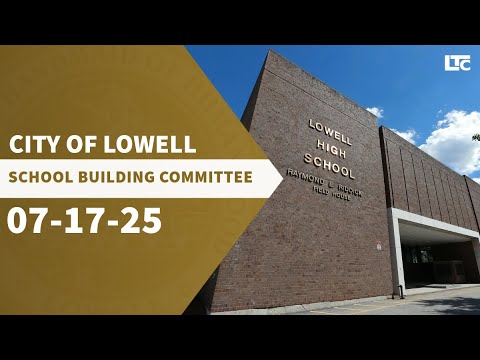
The Lowell City School Building Committee heard on a project update that renovation conditions in the historic Lowell High School have driven unexpected costs and will require additional contingency funding.
Project presenters from Suffolk, Skanska and Perkins Eastman told the committee that the team originally carried $21,200,000 in contingency for the renovation portion of the work and has spent about $16,200,000 through 35 change orders to date. Pending change requests the team identified total about $6,400,000, leaving the construction contingency at roughly $4,900,000; presenters said the remaining contingency is forecast to be depleted by the first of the year unless replenished.
That shortfall underpins a two-part request discussed at the meeting: (1) a contingency replenishment estimated at about $13,000,000 to cover remaining change orders tied to unforeseen conditions; and (2) a separate schedule-extension request the team described as still under negotiation and that had been discussed earlier as approximately $25,000,000. "The $25,000,000 is still under negotiation," the presenters told the committee; "we're still working on knocking that number down."
Why it matters: the committee heard that the contingency burn is driven by hidden renovation conditions uncovered during demolition and by schedule impacts that require additional work and redesign. Committee members repeatedly pressed the project team on why conditions were not revealed earlier and whether initial site investigations were adequate.
Project team accounting and funding details presented at the meeting included: a slab-basement cost element that the team broke out to explain larger totals (the slab cost presented for 1922 building work totaled about $1,750,000); a contingency line calculated as 12.5% of the remaining scope for the 1922 and 1892 areas; and cumulative billing and reimbursement numbers the team said were current as of the presentation. Presenters said the project has billed about $284,000,000 to date; the Massachusetts School Building Authority (MSBA) has paid approximately $178,000,000, and the project team reported a $25,900,000 reimbursement request pending with the MSBA.
Committee members asked whether higher contingency would have been prudent from the start. Presenters said they had carried a 7% contingency for the renovation—above typical industry renovation guidance of 5%—but that actual contingency use in the 1922 building has run at about a 12.5% burn rate of the remaining scope. "We carried 7% contingency, which is way above the industry norm," a Suffolk representative said; later the team added that the current burn rate in that portion of the project is about 12.5%.
Several committee members urged the project team to pursue value-engineering or cost savings and to reduce the contingency request before returning to the City Council. The project team said it has pushed back on change-order pricing, routinely seeking iterations and reductions before accepting costs, and that it can return to the City Council for additional funding if needed.
The meeting record included the committee’s routine business: the minutes were approved at the start of the session and the meeting was later adjourned by motion.
Next steps noted by presenters included continued negotiations to reduce the extension request, ongoing review of outstanding change orders, and further briefings to the committee on contingency status.