
District ends fiscal year with $2.2M cash; state tax changes and Nexus payments weigh on outlook
Get AI-powered insights, summaries, and transcripts
Subscribe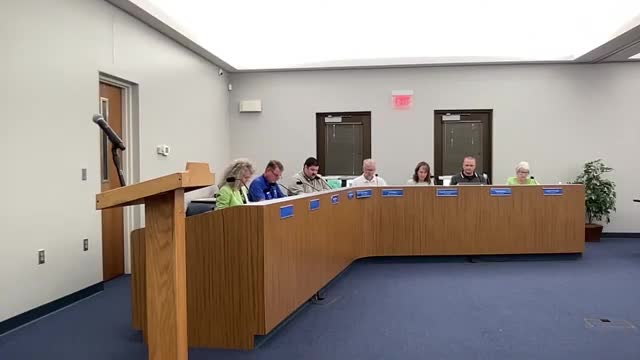
Summary
The school district closed its fiscal year with about $2.2 million in cash, officials told the board July 16, while one-time Nexus payments and possible state changes to the "20-mill floor" and budget-commission authority could affect future revenue.
Carrie, district finance staff, told the Board of Education on July 16 that the district closed fiscal year 2025 with about $2.2 million in cash, up more than $200,000 from the previous year. The increase reflected higher state aid, a one-time state reimbursement tied to a reading-stipend program of about $239,000, and stronger local property-tax receipts after the district reached the state’s 20-mill floor following a failed levy, Carrie said. Board members heard that local taxes make up the majority of revenue: the district’s real-estate collections were listed at about $35.6 million and public-utility collections near $4.2 million. Carrie said the district realized roughly a $2.9 million increase tied to the half-year of new real-estate money and an excess payment related to the floor calculation. Carrie also summarized an outstanding, one-time settlement from a large local taxpayer identified in discussion as Nexus. She said Nexus paid roughly $2.165 million this year, including back payments, and that auditors could not provide a parcel-level breakdown of how much of that total represented penalties and interest. "The auditor's office could not break down how much of that was penalties and interest," Carrie said. On debt, Carrie said the district expects to pursue a refunding of a portion of 2017 bonds; the district is exploring refunding about $8.7 million to obtain interest-rate savings. She said preliminary estimates show savings above the district’s 3 percent rule-of-thumb and that the refunding would lower taxpayers’ annual debt burden. Board members asked how sustainable the revenue gains are. Carrie called the next fiscal-year forecast conservative, estimating about $1.7 million per year in Nexus-related revenue for planning purposes, and said the district expects to receive the full-year collection from the recent valuation adjustments in the coming year. Separately, Carrie briefed the board on proposed state veto-override items under consideration in the Ohio Legislature that could affect school finance. She said one proposal under discussion (referred to in the meeting as "item 55") would give the local budget commission authority to reduce collections of voter-approved levies if a district’s cash balance exceeds a threshold (described in the discussion as 30 percent of expenditures). Another proposal ("item 66" in the discussion) would include emergency substitute levies in the 20-mill-floor calculation, which in this district’s case could raise the calculated mills from 20 to about 21.77 if enacted. No formal board action on these state items was taken at the meeting; Carrie said the House and Senate were meeting later in July to address veto overrides and that the outcomes were uncertain. The board voted earlier in the meeting to approve the minutes from the prior month; that vote was procedural and passed by roll call. The district will present a rating-presentation call on Aug. 5 related to the refunding and expects to share final numbers after the market and rating discussions are complete.