Get Full Government Meeting Transcripts, Videos, & Alerts Forever!
Get email alerts on the Public Health Funding topic
No spam. Unsubscribe anytime.
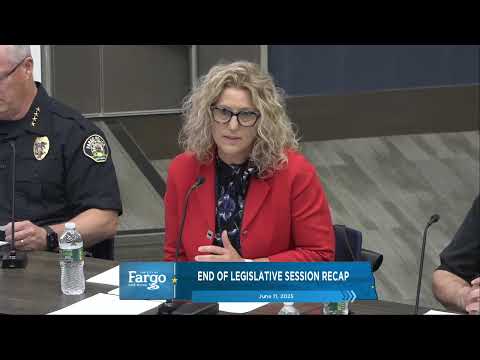
Fargo public‑health leaders outline program cuts and debate needle program funding
Summary
Fargo Cass Public Health described federal and state funding cuts that will reduce some programs; a sharp exchange followed over the city’s syringe distribution (harm‑reduction) program funded in part by opioid settlement dollars.
Fargo public‑health staff told the legislative delegation that several federal and state funding streams are reduced or on hold, affecting immunization, cancer screening and substance‑use programs.
“Epi and lab capacity immunization cut... the fees for that from Fargo Cass Public Health at $75,000 were lost,” Jen Vollodrecht, public health (presenter), said while listing federal reductions and paused grants. She said the COVID‑19 health‑disparities grant and some community health worker funds stopped; the mental‑health and other federal programs remained in flux.
Officials said the state budget preserved $8 million in state aid (they had sought $10 million) and that some public‑health bills—such as tobacco‑tax proposals intended to reduce smoking—failed. Vollodrecht noted the loss of multiple prevention and screening dollars and said the department is monitoring program status and enrollment pauses.
The briefing included a pointed exchange over the city’s syringe distribution program. Commissioner Michelle Turnberg stated that the harm‑reduction program distributes needles and characterized the spending as “$100,000 a year in free needles in the City Of Fargo.” Turnberg said she believes settlement dollars should prioritize prevention and treatment rather than distribution.
Mayor Tim Mahoney and public‑health presenters defended the syringe program as disease‑prevention. Mahoney said the program prevents hepatitis C and HIV and reduces treatment costs; he also cited a high return rate for used syringes. Public‑health staff added they provide Narcan and resource information to participants and collect data on overdose prevention outcomes.
Vollodrecht described budgetary tradeoffs: some program cuts total tens of thousands of dollars locally (substance‑use prevention decreased by about 10 percent, which staff equated to roughly $29,000), and the department has paused enrollment for certain women’s screening programs pending state funding clarity.
No formal changes to the syringe program were announced at the briefing. Officials said they can reallocate opioid settlement funds to sustain services if other grants lapse, and they offered to provide legislators with program data—including client counts and overdose‑prevention outcomes—on request.