Get Full Government Meeting Transcripts, Videos, & Alerts Forever!
Get email alerts on the Property Tax Reassessment topic
No spam. Unsubscribe anytime.
County assessor explains five-year reassessment, 15% cap and appeals process
Summary
County Assessor Bobby Kale briefed council on the upcoming countywide reassessment required by state law, how the 15% cap on taxable increases works, protections for long-term owners, and the appeals process and timelines.
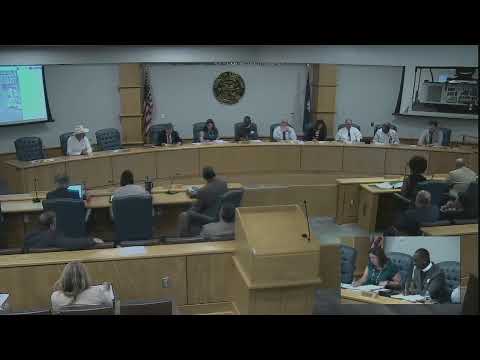
Bobby Kale, Charleston County assessor, gave council a step‑by‑step overview of the county’s five‑year reassessment process, the statutory definition of market value and the taxpayer protections built into state law. “Reassessment, also known as equalization, happens every 5 years, and that's also in state law,” Kale said.
Kale explained reassessment updates appraised market values so taxable values are “assessed in proportion to their value,” but noted the statutory 15% cap limits how much a taxable value can increase in a reassessment year: “However, at reassessment, the property increases in property value due to reassessment are limited to a 15% increase.” He described that the cap has been in effect for roughly two decades and that the county must follow the State Department of Revenue schedule for reassessment years.
Kale outlined how new construction and assessable transfers interact with the cap: additions built since the last assessment (for example, a pool) are added to the taxable value without being subject to the 15% cap, and properties that change ownership are reappraised at full value the following year with no cap under the “assessable transfers of interest” provision.
Kale also reviewed taxpayer appeal options and timelines: an informal conference (write to the assessor’s office), a formalized protest with a 30‑day submission window, a possible appeal to the Board of Assessment Appeals, and then administrative law court. He said reassessment notices will be mailed for roughly 196,000 parcels and that the assessor’s office will staff a reassessment hotline with appraisers and publish information and forms on the county website.
Council members raised concerns about how reassessment affects long‑term, low‑income homeowners, who may face significant percentage changes in taxable value despite the 15% cap. Councilmember Henry Darby and others asked whether the county can do more to protect elderly or low‑income residents. Kale responded that the cap is intended to limit year‑to‑year increases and that there are exemptions such as the senior exemption (noted in the discussion as a $50,000 exemption on value), but council members said outreach and assistance during the notice and appeals period will be essential.
Kale said the assessor’s office will include explanatory material with notices and an objection form and that staff will be available 8:30 a.m. to 5 p.m., Monday through Friday, to answer calls and schedule conferences.