
McLennan County officials weigh new fleet-management software as maintenance burdens grow
Get AI-powered insights, summaries, and transcripts
Sign Up Free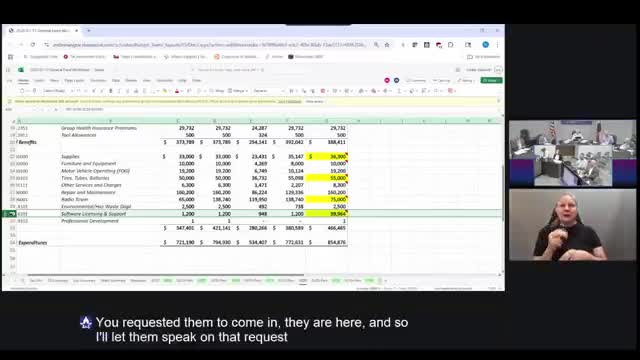
Summary
County staff told commissioners that manual fleet tracking is consuming mechanic time and that a modern fleet-management system could reduce labor, improve preventive maintenance and inform vehicle replacement decisions; commissioners discussed two vendor quotes and budget timing.
McLennan County commissioners on July 17 heard county maintenance staff describe how the county’s ad‑hoc fleet tracking has become increasingly labor intensive and said new fleet‑management software could free mechanics for hands‑on work, improve preventative maintenance scheduling and give administrators data to time vehicle replacements. County staff said their current system was designed for manufacturing work and requires multiple outside spreadsheets to track assignments, parts, collisions and fuel use. The commissioners were shown two vendor estimates. One quote carried a high upfront cost, listed in the meeting as about $98,763 with an annual support cost around $16,983; an alternative product had a roughly $5,500 upfront charge and a roughly $21,200 annual cost based on an estimated 240 assets. Staff said the lower‑upfront option would cost more over many years but would save substantially on initial spending and integrate with the county’s fuel provider and other systems. County fleet staff and the court emphasized practical benefits beyond invoices: a mechanic could record parts usage at a tablet while working in the bay, the system would import mileage reports from the county fuel vendor, send reminders ahead of scheduled services and score vehicles to indicate replacement timing. Staff said that one mechanic currently spends roughly 40 percent of his day entering data into the legacy system, which has grown more burdensome as the county fleet expanded. The court asked for follow up on integration, total multiyear cost, and whether the chosen product could be used across precincts or at remote barns. Commissioners flagged ongoing staffing shortages in the shop and pressed for information on how the software would change day‑to‑day workload and the county’s budget timing for purchase and annual support. The discussion was part of a broader fiscal review of department 0120 (maintenance of equipment) and capital requests for FY2026; the court did not adopt a purchase on July 17 but directed staff to return with clarified quotes, confirmed integration with Tyler (the county’s enterprise software) and more precise multiyear cost comparisons.