Get Full Government Meeting Transcripts, Videos, & Alerts Forever!
Get email alerts on the Technology Surveillance Religious Freedom topic
No spam. Unsubscribe anytime.
Experts at briefing say social media, surveillance and AI pose new risks to religious minorities
Summary
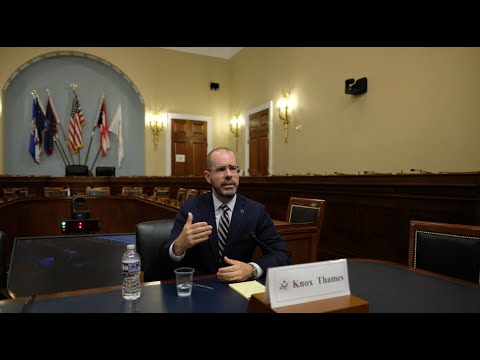
Knox Thames warned that social platforms, messaging apps and expanding surveillance technologies can amplify violence and target religious groups; he urged engagement with corporations and alternatives to Chinese surveillance exports.
Knox Thames told a Helsinki Commission audience that technology ' from social media platforms to machine‑learning surveillance systems ' is reshaping religious‑freedom risks and recommended U.S. policy and corporate engagement to mitigate harm. He said platforms can amplify hate speech and coordinate violence, citing Sri Lanka and Pakistan examples where Facebook and WhatsApp were used to spread content that preceded attacks. "There needs to be a conversation with these corporations about how their platforms are used," Thames said.
He also warned of the global spread of Chinese surveillance technology and machine‑learning tools. "The spreading of the Chinese technological web to other countries is really alarming," Thames said, noting that cheap, widely available systems can be repurposed by governments for repression. He called for alternative tools and partnerships to give countries access to communications and connectivity that are less likely to be used for oppression.
During the Q&A, staffers and attendees asked about concrete policy levers. Thames recommended multi‑stakeholder engagement that brings together technology companies, governments and civil‑society groups to set clearer standards for content moderation and to consider the human‑rights implications of procurement decisions. He said the U.S. should emphasize both corporate responsibility and international cooperation to prevent platforms and surveillance technologies from enabling persecution.
The briefing did not announce new U.S. regulation or funding; speakers urged further study and congressional engagement.