Lifetime Citizen Portal Access — AI Briefings, Alerts & Unlimited Follows
Former State Department adviser Knox Thames urges U.S. to match values with leverage on religious freedom
Loading...
Summary
At a Helsinki Commission briefing, Knox Thames outlined four types of religious persecution and urged U.S. policymakers to use coalitions, consistency, public call-outs and consequences to protect believers worldwide.
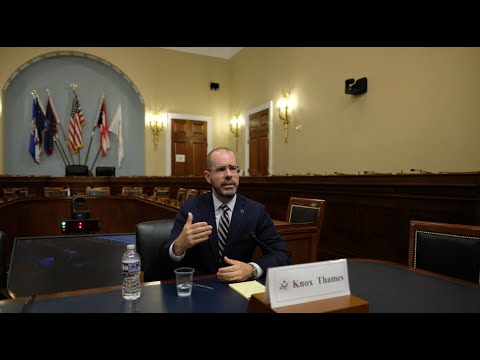
At a briefing hosted by the U.S. Commission on Security and Cooperation in Europe, commonly called the Helsinki Commission, Knox Thames, a former State Department special adviser for religious minorities, said the United States is uniquely positioned to defend religious freedom and should pair moral commitment with practical leverage. Thames outlined four types of persecution—authoritarian, extremist, democratic majoritarian pressures and terrorism—and urged U.S. officials to act through "coalitions, consistency, call outs and consequences."
Thames said that countries that respect religious freedom tend to be more stable and prosperous and that U.S. foreign policy should treat religious liberty as both a value and a strategic interest. "If the United States says religious freedom matters, then it really needs to matter in how we conduct our foreign policy," Thames said, arguing that credibility requires follow-through when governments fail to change harmful behavior.
Thames described the four categories of persecution with country examples from his work: authoritarian abuses in China and Burma, extremist violence in places such as Sri Lanka, democratic majoritarian pressure in India, and terrorism in Iraq and Afghanistan. He cautioned against applying the label "persecution" too broadly and said the term should be reserved for situations that combine violence with impunity. "When well-meaning groups call everything persecution, then it dilutes the word," he said.
The former adviser urged staffers and members of Congress in the room to use quick, targeted actions—such as sign-on letters or diplomatic call-outs—to help individuals at risk and to sustain sustained policy consequences when governments ignore warnings. He cited a past Helsinki Commission-led effort that organized signatures and contributed to the release of a detained dissident in Turkmenistan as an example of effective congressional advocacy.
Kyle Parker, identified in the briefing as chief of staff at the commission, introduced Thames and described the event as an opportunity to discuss strategies that have worked and where policy can improve. Bakhti, the session moderator, framed the briefing as part of the commission's longstanding emphasis on the moral dimensions of foreign policy.
Thames closed by urging continued bipartisan, interfaith coalitions and use of U.S. leverage to protect individuals who risk their lives for the ability to pray, worship and educate their children as they choose. "There are literally millions of people every day that risk so much really risk their lives just to pray how they want," he said.