Get Full Government Meeting Transcripts, Videos, & Alerts Forever!
Get email alerts on the Conversion Therapy topic
No spam. Unsubscribe anytime.
Green Bay council adopts nonbinding resolution opposing conversion therapy, adds language protecting religious counseling
Summary
After hours of public testimony, the Green Bay Common Council voted 9-1 on July 15 to adopt a nonbinding resolution opposing conversion therapy and urging state action, amending the text to explicitly protect "religious counseling."
The Green Bay Common Council on July 15 approved a nonbinding resolution opposing conversion therapy and expressing support for related state legislation after extended public comment and several amendments.
Supporters of the resolution, including Alder Presley and State Representative Amar Rivera Wagner, said the measure is intended to send a policy signal and to back Senate Bill 324 at the state level. Opponents, including several pastors and faith leaders who spoke during public comment, urged the council to avoid restricting religious counseling and warned of potential First Amendment conflicts and pending federal litigation.
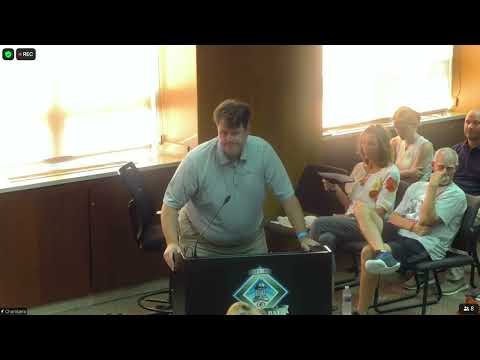
The council first opened the floor for public comment. Residents, clergy and elected officials gave statements that framed the debate in different ways: some called the practice harmful and urged the city to support a statewide ban; others said the resolution as drafted lacked clarity on definitions and exemptions and could chill religious speech. State Representative Amar Rivera Wagner, who said he is cosponsor of Senate Bill 324, told the council that "conversion therapy ends lives" and urged local action to support state protections.
Alder Johnson offered an amendment clarifying that the resolution should explicitly protect "religious counseling," which passed. Alder Eck proposed holding the item until the U.S. Supreme Court issues a pending ruling on similar laws; that motion failed for lack of a second. The council then voted on the amended resolution; the final roll call vote was 9 in favor and 1 opposed.
Council members emphasized that the resolution is nonbinding and not an ordinance; the text was framed as a political statement to support state legislative action. Several speakers cautioned that if the council later pursues an ordinance, that would be a different process with legal risk. The council record includes minutes that the resolution will be sent in support of state action.
The action does not change local law. The council and staff noted that enforcement decisions and any future ordinance would require further review and, if pursued, could trigger legal challenges.