Get Full Government Meeting Transcripts, Videos, & Alerts Forever!
Commission authorizes six‑month USDA contract to curb black vulture activity at landfill
Summary
The Loudoun County Solid Waste Disposal Commission authorized county staff to finalize a six‑month cooperative agreement with U.S. Department of Agriculture Wildlife Services to reduce black vulture activity at the county landfill, with an initial intensive control phase followed by routine monitoring.
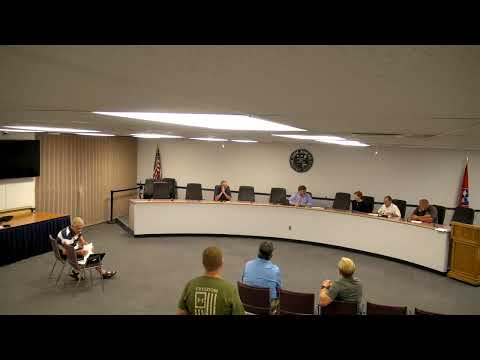
The Loudoun County Solid Waste Disposal Commission on an oral vote authorized county staff to sign a six‑month cooperative service agreement with U.S. Department of Agriculture (USDA) Wildlife Services to address a large population of black vultures using the county landfill and nearby properties.
Commissioners approved the motion after a presentation from the USDA representative and public comment from adjacent property owners. The contract as presented calls for a six‑month program with $25,000 in funding and a field plan that begins with an intensive three‑week (15‑day) direct control period followed by routine monitoring and follow‑up visits over the remainder of the term.
Why it matters: Commission members and neighbors said vultures are damaging personal property and creating a public‑nuisance problem. The commission’s action authorizes county staff to finalize an agreement that will bring federal wildlife specialists onto county and, if neighboring landowners consent, private property to reduce the vulture population and monitor future activity.
USDA presentation and plan Justin Hamby, U.S. Department of Agriculture Wildlife Services, told the commission his office works under cooperative service agreements and that more restrictive constraints on control methods make management harder and more expensive. He described the landfill site as a likely “pit stop” for birds moving along the river system between Fort Loudoun Dam and Watts Bar and said he observed large groups of black vultures on transmission towers and on the landfill during a recent site visit. Hamby said black vultures can damage vehicles, roofs and other property and that they have different behavior and impacts than turkey vultures.
Hamby summarized the proposed response: an initial 15 days of “straight intensive direct control” on site, followed by an average of two site visits per week during the remaining five months. He described that phase as about 60 site visits and roughly 375 field hours over six months. He said Wildlife Services holds a depredation permit from the U.S. Fish and Wildlife Service that covers removal of black vultures in Tennessee and Kentucky and that his program’s permit allocation is measured across the combined area. Hamby…
Already have an account? Log in
Subscribe to keep reading
Unlock the rest of this article — and every article on Citizen Portal.
- Unlimited articles
- AI-powered breakdowns of topics, speakers, decisions, and budgets
- Instant alerts when your location has a new meeting
- Follow topics and more locations
- 1,000 AI Insights / month, plus AI Chat