
Council approves process to solicit grant recommendations from retail marijuana sales tax, 6–3
Get AI-powered insights, summaries, and transcripts
Subscribe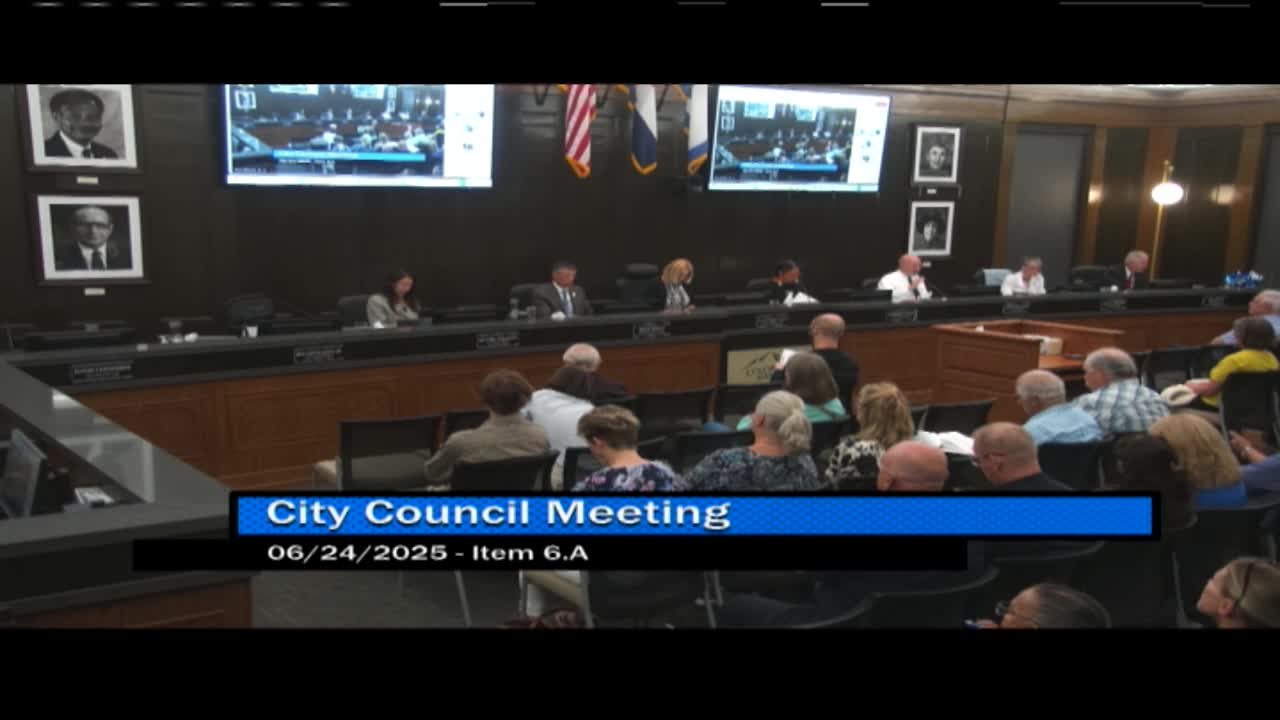
Summary
Council voted 6–3 to adopt an ordinance that would authorize the council to solicit and review grant applications funded by retail marijuana sales tax revenue and recommend expenditures to the mayor, prompting debate over whether the council should create an external grant process or preserve administration control.
The City Council voted 6–3 to approve an ordinance authorizing the council to solicit and review applications for grants funded from the retail marijuana sales tax special fund and to recommend expenditures to the mayor.
Council debate focused on competing views of the council’s role, the voters’ intent and city administrative authority. The ordinance would create a process allowing the council to solicit and review grant applications for uses identified in the voter‑approved measure that created the retail marijuana sales tax fund.
Administration officials and some councilmembers warned that creating a stand‑alone council grant program risks diverting funds from services the administration considers priorities and could conflict with charter authority for administrative contracting. Chief of Staff Jamie McConnell said the city expects roughly $1.4 million from the retail marijuana sales tax and cautioned that the administration could not support a council‑run grant program given the current General Fund pressures.
Other councilmembers, including Councilman Bailey and Councilman Risley, argued council should have a formal role in recommending how voter‑approved funds are used and that non‑profit recipients provide critical services aligned with the ballot language. Bailey warned against dismissive language that called grants “charity.” Several members said the council could use recommendations as part of the budget process rather than establishing mandatory annual solicitations.
City Attorney Mark Smith advised the council that the ordinance would authorize — but not require — the council to solicit and review applications; the council could still recommend funding directly through the budget process. After debate, the motion to approve the ordinance passed 6–3.