
Redmond council agrees to temporary emergency access at blocked neighborhood streets; traffic calming left to study
Get AI-powered insights, summaries, and transcripts
Subscribe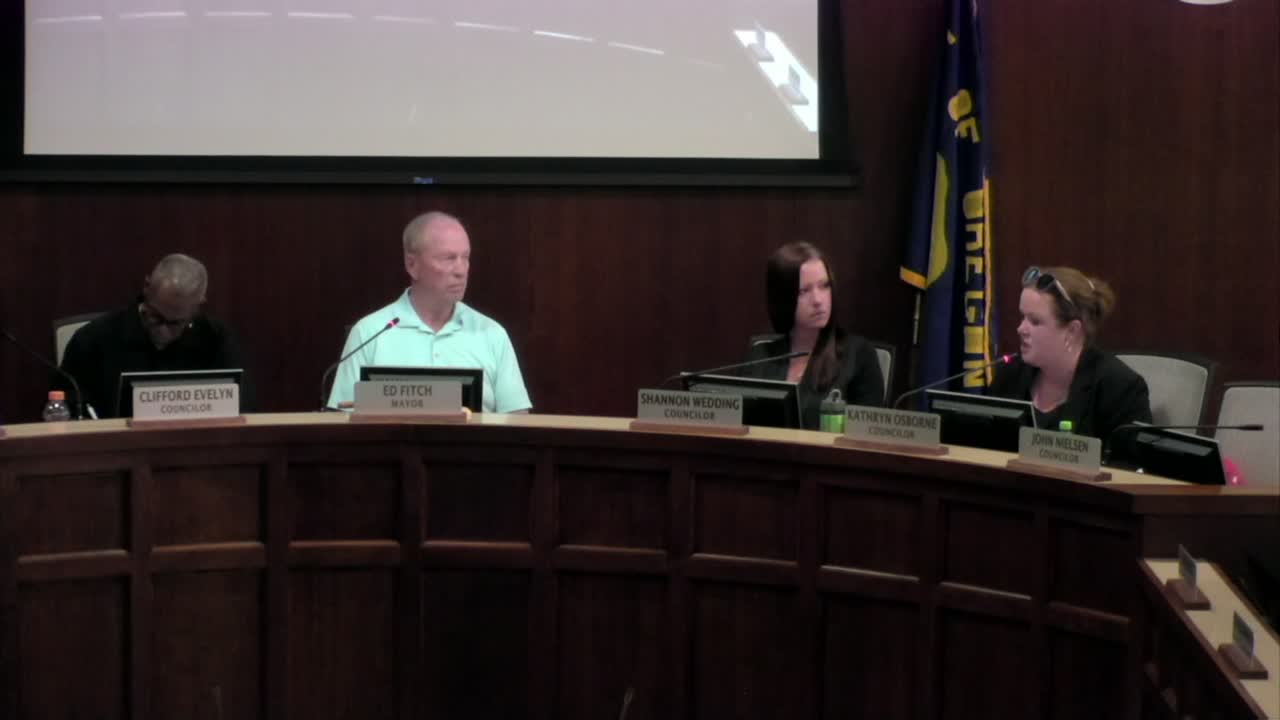
Summary
Council and staff described plans to remove boulders and open barricaded neighborhood access points for emergency use only, while promising further study of traffic-calming measures on 40th Street as nearby development advances.
Redmond city leaders agreed June 24 to remove some large boulders and type‑3 barricades so two neighborhood access points can be opened for emergency use while remaining closed to regular traffic.
City officials said the openings are intended to improve fire and emergency evacuation routes in southwest Redmond but are not intended for routine traffic. Jessica McClanahan, a City of Redmond staffer, told council members staff had surveyed rights of way and physical constraints and identified two locations where limited pass-throughs could be created “such that there could be … traffic through that area” for emergencies but not regular use.
The change responds to neighborhood concerns about blocked streets at 40th (variously referenced as 40 Sixth/40 Third during public comment) and related access to Helmholtz and Reservoir Drive. Mayor (unnamed in transcript) and city staff clarified the opened crossings will use removable plastic barriers or chains and will not be upgraded to full roadway standards until required rights of way and arterial connections are in place.
Neighbors pressed council about speeding on 40th Street and loss of parking if bike lanes are added. One resident said people “are going 45 miles an hour down there.” McClanahan said staff would not install the previously proposed bike lanes because of parking impacts but that the traffic safety committee will evaluate other calming options. Councilor Kat (first reference uses full name and title where available) asked the traffic safety committee to analyze middle‑of‑the‑road striping, speed cushions and other options that preserve parking.
Several speakers and staff also described how new subdivisions — referred to as Colton Crossing (formerly Corbin Meadow), Antelope Flats and others — will add hundreds of homes and change traffic patterns as arterial segments (for example, the planned connection out to Helmholtz/“U Avenue”) are constructed over coming years. Jessica McClanahan said Corbin/Colton Crossing is “the subdivision that's most imminent” and could provide the first new arterial connection in a year or two; other connectors will follow as development builds out and meets spacing standards for arterials.
Fire department access procedures were clarified: Tom Mooney of the fire department said every ambulance and engine has keys to the fire‑access locks so crews can get through quickly in an emergency, which the mayor confirmed would help the neighborhood’s evacuation concerns.
Council directed staff to continue coordination with the traffic safety committee and neighborhood representatives, to pursue limited emergency openings where legal, and to return with potential traffic‑calming options for 40th Street that aim to keep on‑street parking while addressing speeding.
Less urgent troubleshooting and longer‑term roadway upgrades, including new arterials and master‑plan improvements, will follow normal capital project and developer coordination processes.