Get Full Government Meeting Transcripts, Videos, & Alerts Forever!
Baltimore council committee reviews opioid restitution spending, community groups press for more CBO funding after Penn North overdoses
Summary
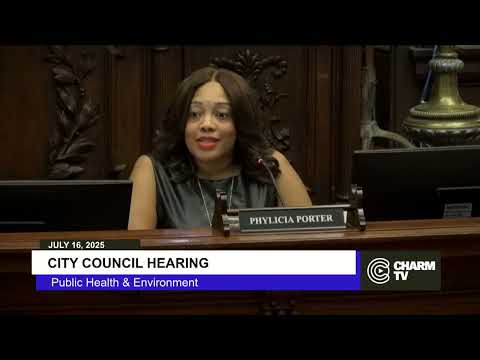
At a Baltimore City Council Public Health and Environment Committee oversight hearing, council members, city attorneys and community providers reviewed how the city is allocating opioid restitution funds and discussed the city’s response to a Penn North overdose cluster that hospitalized 27 residents.
At a Baltimore City Council Public Health and Environment Committee oversight hearing, council members, city attorneys and community providers reviewed how the city is allocating opioid restitution funds and discussed the city’s response to a Penn North overdose cluster that hospitalized 27 residents.
The hearing focused on the city’s newly established opioid restitution fund (ORF), the litigation that produced the settlements, budget accounting for the money, and repeated calls from community‑based organizations (CBOs) for more direct, sustained funding and clearer transparency mechanisms.
The ORF was established by Mayor Scott’s August 29, 2024, executive order as a separate trust intended to sustain investments for at least 15 years, Executive Director Sarah Whaley of the Office of Overdose Response told the committee. Sarah Gross, chief of affirmative litigation in the Baltimore City Department of Law, summarized the city’s multi‑year litigation, noting jury awards and subsequent court orders that affect the city’s final recoveries.
Community providers described services already operating and the need to scale them. Deborah Agus, executive director of the Behavioral Health Leadership Institute (BHLI), said BHLI’s Project Connections at Reentry (PCARE) van provides low‑barrier medication for opioid use disorder outside the Baltimore City jail and to unhoused people nearby. Agus said the program has served 3,080 unique individuals and recorded about 56,000 patient interactions since it began. “When you build it, they will come,” she said, and asked the city for additional operating funds so the van and outreach team can expand hours and staff.
Dave…
Already have an account? Log in
Subscribe to keep reading
Unlock the rest of this article — and every article on Citizen Portal.
- Unlimited articles
- AI-powered breakdowns of topics, speakers, decisions, and budgets
- Instant alerts when your location has a new meeting
- Follow topics and more locations
- 1,000 AI Insights / month, plus AI Chat