
Debate over tax‑exempt 'amenities' delays Northridge pilot decision; commission tables vote to July 15
Get AI-powered insights, summaries, and transcripts
Subscribe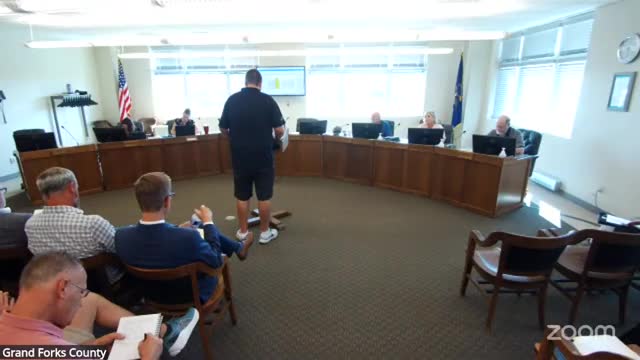
Summary
Concerned business owners and residents argued that amenity features in proposed tax‑incentivized apartment projects could unfairly compete with existing local businesses. County commissioners agreed to table a related approval to allow more review; a final city hearing is scheduled July 21.
A contentious public comment period and staff presentation on a proposed tax‑incentive pilot for a 155‑unit mixed‑use project led the commission to table its decision to July 15 to allow additional review and to avoid an automatic approval if a statutory deadline is missed.
Local small‑business owner Andrew Krausnick, who operates an indoor golf and entertainment business, told the commission he supports private development but said tax incentives should not give new projects an unfair competitive advantage. “No existing business should have to compete against their tax dollars,” Krausnick said, quoting North Dakota Century Code 40‑57.1 to argue the statute requires officials to weigh impacts on existing businesses.
Northridge representatives said the proposed building would include underground parking and 155 units and that amenities produce additional operating costs that are recovered through rents or amenity fees. A company representative clarified that some amenity fees—examples cited included a gym fee—are charged to residents and said Northridge’s project charges a modest amenity fee to cover those costs.
City financial consultant Mikaela Hewitt of Baker Tilly presented an underwriting analysis that recommended a stepped, step‑down exemption rather than the full 20‑year, 100% exemption originally requested by the applicant. Hewitt said, based on current interest rates and underwriting standards, “without the property‑tax exemption, the cash flow would not be sufficient to support the debt financing” at the proposed leverage and terms.
Commissioners and public speakers debated vacancy rates, precedent and whether amenities such as golf simulators or high‑end gyms should be contractually limited in pilot agreements. Several existing small retailers and multifamily owners said they feared tax‑incentivized projects could undercut their businesses. A Northridge representative said the company charges residents fees for amenities and disputed some commenters’ numerical estimates.
Because the county’s statutory response window could cause an application to be automatically approved if the board does not act, commissioners planned to take the item up at their July 15 meeting and noted the city would hold a final public hearing July 21. The board’s action on July 1 was to table consideration to the next board meeting to allow more time for review and to request clarifying contract language from the city and applicant concerning amenity competition and monitoring.