Get Full Government Meeting Transcripts, Videos, & Alerts Forever!
Get email alerts on the Municipal Budget Recreation Layoffs topic
No spam. Unsubscribe anytime.
Residents and council press city on budget cuts after summer recreation layoffs
Summary
At a July municipal council meeting, dozens of residents raised concerns about recent layoffs, cuts to recreation and youth programs, and how the city is allocating cannabis and other revenues; the city finance director described budget constraints and said the recreation appropriation increased to $9 million with about 400 summer jobs funded.
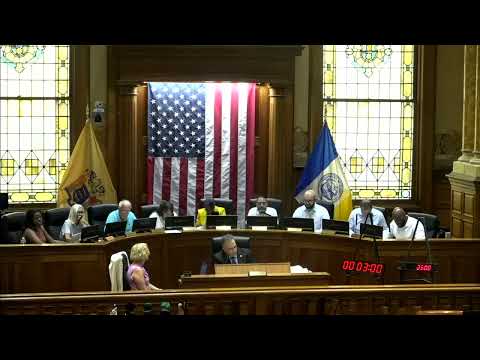
The Jersey City Municipal Council heard more than two hours of public comment Wednesday about the city’s proposed 2025 budget, with residents demanding answers about recent layoffs and cuts to summer recreation programs that they say cost local young people jobs and services.
Speakers from multiple neighborhoods told the council they had family members or neighbors recently laid off and urged the city to prioritize restoration of youth jobs and recreation programming.
Why it matters: dozens of residents said the layoffs and program cuts take away paid first‑job opportunities for teens, increase street activity and safety concerns, and remove local supports for seniors and families. Council members and the administration said some of the reductions stem from lost federal and pass‑through grant dollars and that certain revenue sources are constrained.
City financial director Kyle (first name given in the meeting) told the council the city’s total operating budget is “roughly $700,000,000” and that the portion the municipal government controls makes up about 34 percent of the average tax bill. He said the recreation appropriation increased from about $8 million last year to $9 million in the proposed 2025 budget, and that the budget still includes roughly $1 million intended for summer youth programming, which the administration said supports nearly 400 jobs.
Residents disputed that level of support. Samuel Wilkins, a longtime recreation employee who said he was laid off after 23 years, described no 30‑day notice and said the cuts were abrupt: “I gave my life to this — we gotta be there for our kids.” Danielle DiDamo, a Ward C resident, urged the council to put funds into basic infrastructure and summer jobs instead of luxury development, saying, “This budget misses the mark in ways that should concern every working class resident.”
On revenue and reallocations: the financial director said the city received roughly $600,000 in cannabis‑related revenue and that about $500,000 of that was distributed in microgrants ($10,000 each) at the prior council meeting; he also said some grant streams were reduced or delayed at the federal and state level. When asked whether the council could restore recreation funding without a tax increase, Kyle said the council could amend the adopted budget at its August meeting and either reallocate capital or raise taxes; he noted certain capital funds can be used for professional services and studies but that rehiring permanent staff would require an appropriation amendment.
Residents also asked about sanitation, street sweeping and tree care; several speakers described frequent litter and poorly maintained tree pits. Council members said they would follow up with staff and the financial office.
The council closed the public hearing on the municipal budget by roll call (motion carried 9‑0). Council members and the administration indicated there is time to revisit allocations at the August meeting.
Looking ahead: speakers urged the council to prioritize re‑allocations to restore recreation hires and youth programming, to publish clearer line‑item uses for cannabis and other special revenues, and to ensure affected employees are given clear explanations of layoff procedures.