
County attorneys caution on proposed 'green amendment' local law to protect Saugerties-area waterways
Get AI-powered insights, summaries, and transcripts
Subscribe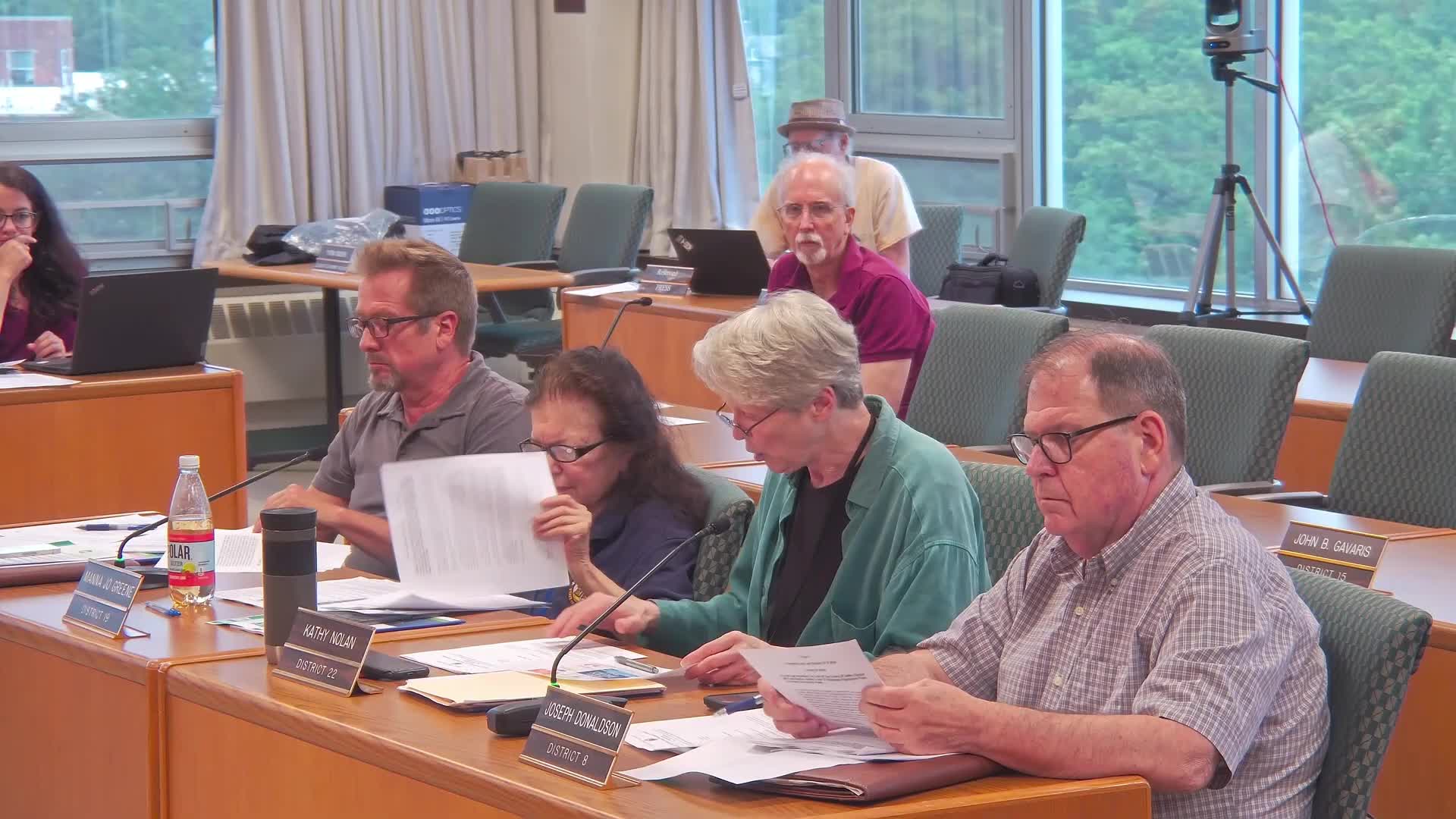
Summary
A proposed county local law to protect the Esopus, Rondout and Wallkill waterways prompted warnings from legal staff and several legislators on July 1 that the draft could expose Ulster County to litigation and to enforcement responsibilities it lacks authority or resources to carry out.
A proposed Ulster County local law intended to protect and restore the Esopus Creek, Rondout Creek and Wallkill (referred to in the draft as Wauke Hill River) drew robust debate on July 1. Committee members praised the intent but several cautioned the draft could expose the county to legal risk and to responsibilities it lacks the staff or regulatory authority to carry out.
County attorneys and committee members explained that most water-quality enforcement in New York flows from federal law (the Clean Water Act) and state implementation (NYSDEC/NPDES permitting); giving a county statute new private‑party enforcement rights or a different regulatory standard could invite suits challenging county obligations or asking the county to enforce standards beyond its authority. Committee members also warned that the draft language referencing naturally free‑flowing waterways could raise questions about existing dams and reservoirs (siting and operation of Ashokan Reservoir and other structures were cited in questions), and they asked sponsors whether municipalities that already work on river restoration have faced successful legal challenges after passing similar laws.
Why it matters: the draft aims to galvanize river protection for several waterways with local historical and recreational importance; sponsors said the intent is to secure clean water for residents and to align county policy with Native American and other legal precedents adopting rights-of-nature approaches. But county legal staff warned that the county could be named in lawsuits that expect the county to set and enforce water-quality specifications that are otherwise the state or federal responsibility.
Discussion highlights: Legislator Walls, Nolan and others said the goal is laudable but the county needs tools, staffing and funding to implement obligations before adopting enforceable rights; Deputy County Executive Laval and Director Doyle urged practical alternatives—invest in testing, monitoring, water-quality projects and cooperative work with State DEC, Riverkeeper and regional partners rather than a county-level statutory enforcement regime. A number of members suggested a proclamation, intergovernmental agreements, targeted capital projects or watershed-coordinator staffing (see separate passed resolution) as safer near-term steps.
Outcome: committee discussion concluded without adoption; sponsors said they would contact other municipalities that passed rights-based river laws to examine whether those localities faced legal challenges and would consider withdrawing or redrafting the local law to avoid exposing the county to unpredictable legal or fiscal obligations.
Ending: staff and sponsors plan outreach to municipalities and legal review of precedent; committee members emphasized using existing state mechanisms (NPDES/DEC) and cooperative programs for water-quality monitoring and capital projects while further drafting is undertaken.