Get Full Government Meeting Transcripts, Videos, & Alerts Forever!
Get email alerts on the Compensation topic
No spam. Unsubscribe anytime.
Board adopts major compensation manual updates, raising teacher bases and adding central-office retention stipends
Summary
Harmony Public Schools approved updates to its 2025-26 compensation manual June 21 that raise teacher base salaries in multiple regions, increase hourly and band-level pay for nonexempt and exempt staff, expand stipends for special areas and create a new loyalty/impact stipend for central and district office employees.
The Harmony Public Schools Board on June 21 approved updates to the 2025-26 compensation manual that district staff presented as necessary to remain competitive and to implement teacher-retention allotments from the Texas Legislature.
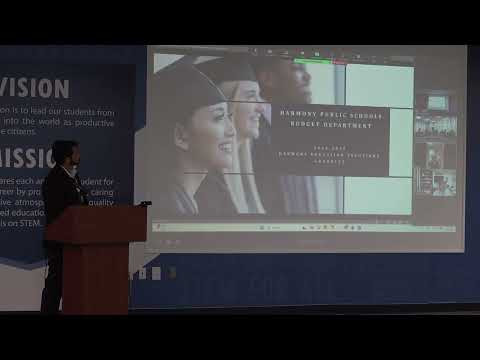
A district presenter (identified in the transcript as Ebrahim) summarized the legislative "teacher retention allotment" (HB2) structure and the district's proposed salary changes. The presenter said HB2 provides retention increases that vary by district size: for smaller districts the allotment will be $4,000 or $8,000 depending on years of experience, and for larger districts $2,500 or $5,000, with a 5,000-student enrollment threshold driving the categories. The presenter told the board that most Harmony districts exceed 5,000 students, so the district will follow the second (larger-district) group of allotments except for Houston South, which falls below that threshold.
Specific changes presented and approved included regionally tiered increases to certified teacher starting bases (example figures presented by staff): Houston campuses from $57,000 to $63,000 for certified teachers (noncertified increases of $3,500 in that market); Dallas-Fort Worth certified base to $62,500; Midland/Odessa to about $61,500; San Antonio/Laredo/Brownsville +$5,000; El Paso +$4,000; Austin +$5,000. The presenter said any teacher who qualifies for a higher HB2 allotment must receive the full legislatively required amount on top of the base change.
Nonexempt hourly employees were proposed to receive at least $1.00 per hour additional pay systemwide, with higher increases in high-cost markets (for example, $1.50 per hour in San Antonio and targeted increases in Austin to remain competitive). All band-level (exempt/professional) employees were to receive a $3,000 base increase, the presenter said.
The district also proposed expanding targeted stipends: increasing the special-education stipend from $3,000 to $4,000, raising critical-area stipends for counselors from $3,000 to $4,000, aligning assistant-principal stipends closer to principal levels, and increasing Grow-Your-Own-Teacher (GYOT) hourly pay from $14 to $20 per hour instead of the previous scholarship-reimbursement structure. The presenter said the GYOT change is intended to make compensation equitable for candidates on full scholarships who previously could not claim tuition reimbursements.
The presenter and board members discussed implementation mechanics, including that the district will honor HB2-required allotments on top of the adopted base increases where applicable. Board members asked how bank/band levels and years of Harmony service factor into loyalty or "impact" stipend calculations; the presenter said the loyalty and impact stipend will be tiered by band level and years of service and apply to central and district office employees as part of a three-phase compensation plan.
Funding and vote: board members discussed funding sources during the motion. One board member referenced a previous finance comment that HB2-related revenue increases of about $34 million were included in the FY26 revenue assumptions; the presenter said the compensation package's full cost was discussed in committee and estimated in the meeting as roughly in the high tens of millions (presenter cited an approximate figure on the record). The board voted to approve the compensation manual updates by voice vote.
Discussion versus decisions: much of the item was discussion of how HB2 allotments interact with the district's base changes, market adjustments by region, and mechanics for stipends. The formal action at the meeting was the board's approval of the compensation manual updates as presented.
Ending: the board approved the compensation updates; staff said finance will implement the changes in payroll and present any necessary budget adjustments to reflect final costs and grant offsets.