Get Full Government Meeting Transcripts, Videos, & Alerts Forever!
Get email alerts on the Budget topic
No spam. Unsubscribe anytime.
Harmony Public Schools approves final FY25 amendments and initial FY26 budget, citing HB2 revenue gains and enrollment growth
Summary
The Harmony Public Schools board approved final amendments to fiscal year 2025 and ratified the initial 2026 budget June 21, with presenters citing additional revenue from the Texas Legislature's HB2, enrollment-driven foundation school program increases and planned use of child-nutrition fund balance.
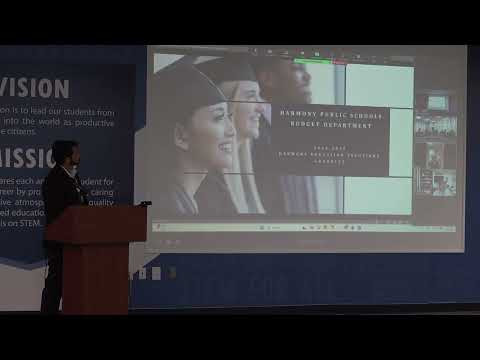
The Harmony Public Schools Board on June 21 approved final amendments to the 2025 budget and ratified an initial budget for fiscal year 2026 after a presentation by district finance staff.
District finance presenter Mr. Perez told the board the district expects an almost $6 million positive change in net assets for FY25 that incorporates a previously approved $10.2 million retention bonus and adjustments to federal grants, child nutrition, TRS on-behalf payments and state aid tied to improved attendance reporting. "The overall budget outlook for the end of the fiscal year is good," Perez said.
Perez said the systemwide "all funds" amended revenue number presented was about $617.6 million, with the foundation school program the largest component at roughly $485.4 million. For FY26, Perez described a general-fund initial budget built from projected average daily attendance (ADA), special-program allotments and state formula changes from the 2025 legislative session. He said the district is budgeting a general-fund total of about $578.0 million and, when child nutrition is included, a combined total near $579.8 million for the FY26 initial budget presentation.
Why it matters: the board approved revisions that close out FY25 and set spending priorities for the coming school year. The FY26 package incorporates legislative changes to school funding and the district's enrollment growth, which the finance presenter said is driven largely by new campuses opening across regions.
Most important facts first: Perez said the district projects roughly 12% student growth year-over-year (about 5,326 additional students) in FY26, with most of that from recently opened campuses including Central Texas (Georgetown, Leander), West Texas (Midland, Odessa), Houston (North City Place, Bridgeland) and South Texas expansions. He said payroll remains the largest expenditure category (about $347 million in the presented functional breakdown) and contracted services and child nutrition account for other major portions of spending.
Perez attributed part of the FY26 revenue increase to changes in HB2 from the Texas Legislature. He said the district has included an additional $34 million in revenue attributable to those legislative changes in the initial FY26 figures. The presenter also described a 2% operational set-aside and projected an initial budgeted change in net assets of about $10.1 million for FY26.
Child nutrition: the presenter told the board the child nutrition fund is budgeted with roughly $19.8 million in revenue and about $21.0 million in expenditures for FY26; he described that planned negative change in fund balance as an intentional use of reserves to support operations. Perez said the year-end fund balance for the combined funds is projected to remain above the six-month operating target.
Board action and process: the board voted to adopt the FY25 final budget amendments and to approve the initial FY26 budget as presented. Motions and voice approvals were recorded on the meeting transcript; no roll-call vote tally with individual board member names was entered in the public record of the meeting.
Discussion versus decisions: the finance presenter walked the board through revenue drivers (ADA, foundation school program tiers, special program allotments), payroll and contracted services, and the board approved the formal amendments and the initial budget. The presenter repeatedly noted that federal grants (other than child nutrition) would be added in the first quarter of FY26 after awards are finalized.
Background and next steps: Perez said the budget development started in late 2024 with enrollment projections and campus- and program-level input, and that the district will present federal-grant budgets in early FY26. The board also retained the authority to amend the calendar or budgets if material developments occur.
Ending: with the approvals, district staff can finalize FY25 closeouts and proceed to implement the FY26 operating plan; staff noted additional grant revenues and enrollment updates will be presented in subsequent meetings if they materialize.