Get Full Government Meeting Transcripts, Videos, & Alerts Forever!
Get email alerts on the Policy 904 Signage topic
No spam. Unsubscribe anytime.
Board holds lengthy first reading on policy 904 (materials/signage); members agree to remove contested clause
Summary
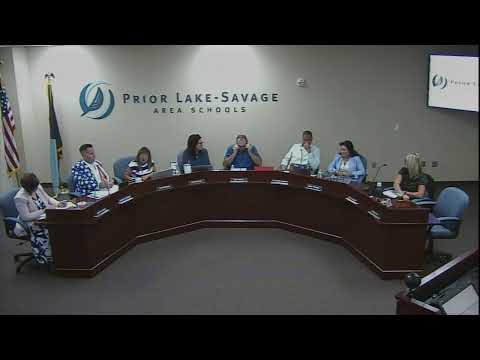
The ISD 719 School Board held a lengthy first reading of policy 904 — governing materials and signage — and agreed during first reading to remove a clause that critics said could let the board intervene in classroom materials.
The ISD 719 School Board spent a prolonged portion of the meeting on a first reading of policy 904, which covers materials and signage. Board members debated whether the policy had been introduced out of its scheduled review cycle, whether the Policy Advisory Committee’s feedback had been fully represented, and whether proposed language would improperly insert the school board into day‑to‑day instructional decisions.
Director Herman (policy committee) and other committee members had previously reviewed versions of the policy and related drafts (including a proposed 9‑04.1), and legal counsel reviewed merged language before presentation. Several directors recounted differing memories of the policy’s timeline: some said the 900 series was on the planned review schedule and 904 had been expedited at committee level to address signage requests; others said the board had not been briefed before the revised version returned to the table. Chair White asked board members to focus on specifics rather than process history.
A central point of contention was a definition of “approved materials” that in the draft read, in part, to mean “materials, documents, or resources formally approved by the school board or district administration,” which critics said risked equating board approval with day‑to‑day administrative authority. Director France said the changes “essentially say that the board is going to determine what teachers put in their classroom.” Several directors, including Director Johnson, said that was not the intent and that the purpose was to establish a clear chain of command for complaints and alignment of instructional materials with district initiatives and the strategic plan. Superintendent Dr. Thomas clarified that the superintendent already has managerial authority over instructional materials and that the board is the governing body that hires the superintendent.
After extended discussion, directors agreed by consensus during the first reading to remove the clause that placed the school board in the definition of approved materials and to shorten a paragraph in the general policy statement by ending the sentence after “students,” deleting an additional sentence that had stated in cases of difference the school board’s decision would be final. Directors asked administration and the policy committee representatives to rework the draft (moving the definition text where needed into the body of the policy if retained) and to circulate proposed redlines to board contacts before the second reading. The second reading was scheduled for August 11.
Several board members also proposed that if committee members express concerns about legal feedback, the board can ask the Policy Advisory Committee to reconvene; others pointed to the committee’s multiple meetings and said further committee review might be duplicative. No formal vote to adopt the policy was taken; the changes agreed in the first reading are procedural directions to staff to produce a revised draft for second reading.