Get Full Government Meeting Transcripts, Videos, & Alerts Forever!
Get email alerts on the State Department Reorganization topic
No spam. Unsubscribe anytime.
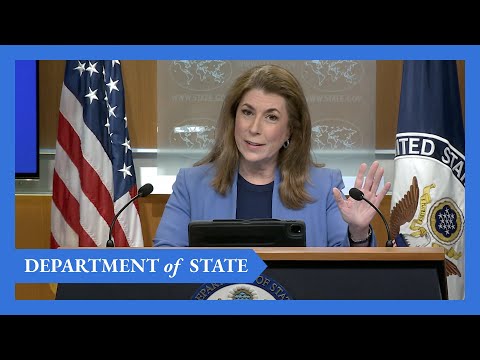
State Department spokesperson defends recent reorganization and layoffs
Summary
At a July 18 briefing, a State Department spokesperson said the recent reorganization and staff reductions aim to make the department "nimble" and operate at the "speed of relevancy," rejecting criticism that cuts undermine U.S. priorities.
A State Department spokesperson defended a recent internal reorganization and the layoffs of more than 1,300 employees, saying the changes were intended to make the department more effective and responsive. The spokesperson, Tammy, said critics who argue the cuts work against goals to keep America safe and prosperous are “wrong.” She said the reorganization was designed to reduce duplication and bureaucracy and to let the department “serve the American people” more effectively. Why it matters: Changes to Department staffing and structure affect foreign-service capacity, consular services and program delivery worldwide. Staff reductions and reorganizations are likely to produce both immediate operational questions and longer-term impacts that officials and stakeholders will monitor. Details: Tammy described the goal as creating a “nimble, effective organization” able to act quickly in a 21st-century information environment — what Secretary Rubio calls acting at the “speed of relevancy.” She said the secretary is “engaged” and “speaks to us all the time,” but declined to provide specific details about timing of any direct address to staff. Context and limits: Tammy said the reorganization was an effort to fix structural problems rather than to blame individual staffers. She emphasized that the changes were intended to improve efficiency and relevance, not to diminish core missions. What’s next: The spokesperson said that, while she could not detail future internal communications or timelines, employees would hear from senior leaders and that the department remained committed to its core missions.