Get Full Government Meeting Transcripts, Videos, & Alerts Forever!
Get email alerts on the Marine Restoration Shellfish Hatchery topic
No spam. Unsubscribe anytime.
Brant Point Shellfish Hatchery runs restoration and monitoring programs, offers free summer tours
Summary
Brant Point Shellfish Hatchery on Nantucket cultivates bay scallops, oysters and quahogs, monitors larval recruitment and eelgrass, and conducts community-led oyster reef restoration; staff said free tours are offered throughout the summer.
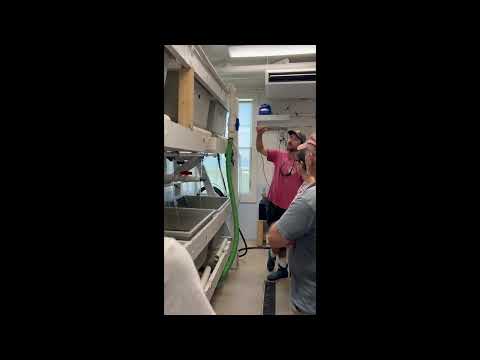
Brant Point Shellfish Hatchery staff said the facility cultivates native shellfish — bay scallops, oysters and quahogs — to support Nantucket’s fisheries and improve water quality, and that free tours run throughout the summer. "You can take a free tour of the hatchery all summer long and get a behind the scenes look at how we grow Nantucket shellfish population," a staff member, Brant Point Shellfish Hatchery, said.
The hatchery, located beside Nantucket’s Brant Point Lighthouse, described three core activities: rearing shellfish for release into local waters, monitoring larval recruitment using SPAT bags, and mapping eelgrass beds to help protect marine habitats. Staff said those activities feed into community-driven projects such as oyster reef restoration, which the hatchery identified as playing "a pivotal role in sustaining Nantucket's marine ecosystem."
Staff described the release of cultured shellfish back into the harbor as part of efforts to "contribute to the health and diversity of our waters," saying each release supports both environmental goals and local fisheries. The presentation emphasized monitoring methods — specifically SPAT bags for larval recruitment — and eelgrass-mapping efforts used to assess habitat condition.
The remarks were descriptive and informational; no formal board action or policy decision was reported in the transcript. Staff characterized the programs as ongoing community efforts and invited the public to observe operations on the free summer tours.
The hatchery presentation outlined ecological goals (water-quality improvement and habitat restoration) and community engagement (volunteer and tour opportunities) but did not specify funding sources, permit requirements, release schedules, or exact participant sign-up procedures.