Get Full Government Meeting Transcripts, Videos, & Alerts Forever!
Get email alerts on the Licensing Liquor topic
No spam. Unsubscribe anytime.
Council denies reserve Class B liquor license application for Pub Summit 16 LLC
Summary
After public presentation and council discussion about highest‑and‑best use of limited reserve liquor licenses, the Common Council voted to deny a new Class B reserve license for Pub Summit 16 LLC; the clerk will send a written notice stating reasons under state law.
The Common Council on Tuesday voted to deny a reserve Class B intoxicating liquor license application for Pub Summit 16 LLC, a proposed indoor service operation at 11004 Summit Avenue (the gas station property), citing the council’s discretion to allocate a limited number of reserve licenses to uses that represent the municipality’s highest and best use.
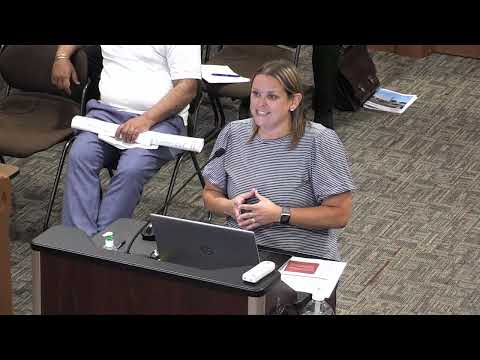
Gina (staff) summarized that Pub Summit 16 had applied for a new reserve Class B full liquor license for an on‑premise seating area of the business; the city is at quota for full liquor licenses and holds reserve licenses for allocation. The application was presented by an attorney who identified himself in the record as Gay Wallia; the agenda also listed an applicant name of Jay Wallia.
Councilmembers repeatedly said they were sympathetic to the applicant’s personal circumstances and to investment already made at the site, but many aldermen said the limited number of reserve Class B licenses should be allocated where they provide greater public benefit. Alderman Shellpepper, Alderman McConnell, Alderman Spiegelberg, Alderman Mulder, Alderman Rosick, Alderman Altman Kloth, Alderman Ellis and Alderman Youngworth recorded votes in favor of denial during the roll call.
Several council members suggested a more limited initial approval—such as a beer/wine license—would let the operator demonstrate viability and investment in the property before awarding a full reserve Class B. Alderman McConnell and others encouraged the applicant to come back with stronger evidence of investment and a business plan if he chooses to pursue a different license.
City legal staff advised the council that state statute requires written notice to an applicant when a municipal governing body decides not to issue a license and that the notice must state the reasons for the decision. The council voted on a motion to deny and directed the clerk to prepare the required written notice for review by the city attorney and city administrator; the meeting record shows a formal vote to deny was taken and the clerk will send the written decision per statute.
Ending: The applicant was invited to pursue alternative licensing options and to address council feedback (for example, property improvements or a demonstrable business plan) if he wants to reapply in the future.