Get Full Government Meeting Transcripts, Videos, & Alerts Forever!
Get email alerts on the Wild Spaces Canoe Outpost topic
No spam. Unsubscribe anytime.
Commissioners debate options for Canoe Outpost: county partnership pays debt but sale faces restrictions
Summary
The City discussed the Santa Fe Canoe Outpost in the wild spaces/public places fund. Staff said a county partnership will cover outstanding debt service, but commissioners raised selling the site to fund other priorities; staff noted conservation easements and wild‑spaces restrictions limit reuse of proceeds.
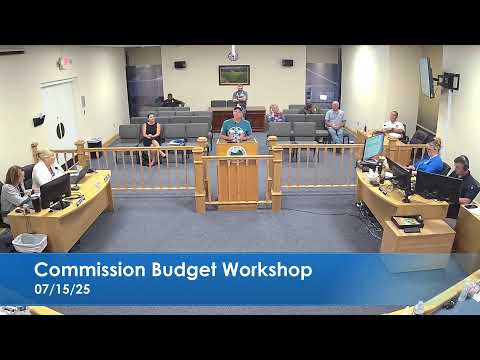
Commissioners discussed the future of the Santa Fe Canoe Outpost during the budget workshop, including a county partnership that would cover the outpost’s debt service and the possibility of selling the property to fund other priorities. Staff cautioned that legal restrictions on wild spaces and conservation easements limit how sale proceeds can be used.
Staff said the Canoe Outpost debt service line item has gone away because the city anticipates a county partnership. “The county has $333,000 set in a pot for a partnership project,” the presenter said, and that money would address the outpost’s debt and allow upgrades if the city provides a timeline for the work. The presenter added the outpost had been reassigned to a different funding tranche previously and that county funding would eliminate recurring debt service for the outpost.
Commissioners asked whether selling the Canoe Outpost and using proceeds for police or other city needs would be feasible. Staff and other speakers cautioned that some acquisitions were purchased with restricted Wild Spaces/Public Places surtax money and are subject to restrictions. One staff member said, “The Kenneywalt post was purchased with wild spaces public places money. It's restricted. We can't use it and take it to the general fund. It has to go back into wild spaces and then be used to purchase a similar—something in the spirit.” The presenter and other staff also noted conservation easements on parts of the property that could complicate resale and limit buyers.
Commissioners suggested alternative uses if proceeds were available, including using one‑time funds as grants matches for larger projects or investing proceeds in existing city buildings (for example, a multipurpose performance/arts facility). Staff cautioned that one‑time funds are not a sustainable recurring revenue source for ongoing salary increases or recurring operating costs.
No formal decision to sell or retain the Canoe Outpost was made at the workshop. Staff said they could explore options if the commission directed them to do so; commissioners indicated interest in a broader community discussion on priorities before taking action.