Lifetime Citizen Portal Access — AI Briefings, Alerts & Unlimited Follows
Calls to speed rail projects by reforming permitting as Congress weighs transportation reauthorization
Loading...
Summary
Two meeting participants urged permitting-process reform to reduce time and costs for railroad improvement projects as Congress begins work on surface transportation reauthorization legislation.
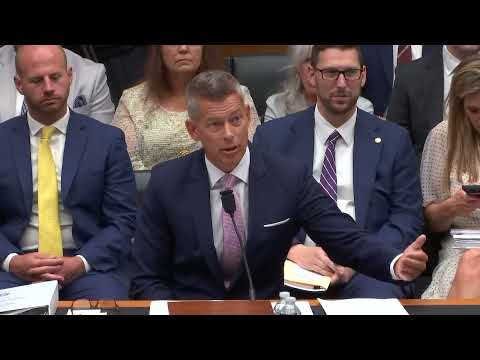
As Congress begins work on a new surface transportation reauthorization, two meeting participants urged permitting-process reform to cut the time and cost of improving the nation’s railroad system. Speaker 1, Commenter, posed the question directly: “So as Congress begins to work on new surface transportation reauthorization legislation, how important is permitting process reform to reduce the time and cost of improving our railroad system?”
The concern was echoed and expanded by Speaker 2, Commenter, who said permitting and consultant expenses can consume a large portion of project budgets. “When, you know, 40% of the cost of a project can be for consultants and permitting, we're losing valuable dollars,” Speaker 2 said. “We're losing that money; that's not turning dirt. So I think it's critically important that you all consider that, in a way that we can still protect the environment, but we can move these projects way faster and be smarter.”
Why it matters: speakers framed permitting delays and consultant costs as a barrier to delivering rail improvements even as lawmakers consider reauthorizing federal surface-transportation programs. Speaker 2 added that lessons from roughly the past 40 years of project work could inform faster, smarter approaches while maintaining environmental protections.
Discussion versus action: the remarks were presented as commentary and recommendation; the transcript contains no motion, directive to staff, or formal vote on permitting reform. There was also no detailed plan, funding breakdown or agreed timeline attached to the comments in the record.
Context and limits: speakers emphasized balancing speed with environmental protection but did not identify specific statutory changes, agencies, or draft legislative language. The transcript did not specify which permitting processes or consultant categories account for the cited 40% figure, nor did it identify particular projects or locations affected. No follow-up assignments or implementation steps were recorded.