Get Full Government Meeting Transcripts, Videos, & Alerts Forever!
Get email alerts on the Gambling Policy topic
No spam. Unsubscribe anytime.
Resident urges DeKalb to ban lottery vending machines after vape-machine prohibition
Summary
Kathy Gilroy told the council she applauds DeKalb—s unanimous ban on vape vending machines and urged the city to extend that prohibition to lottery vending machines, citing stings she conducted and concerns about minors and gambling addiction.
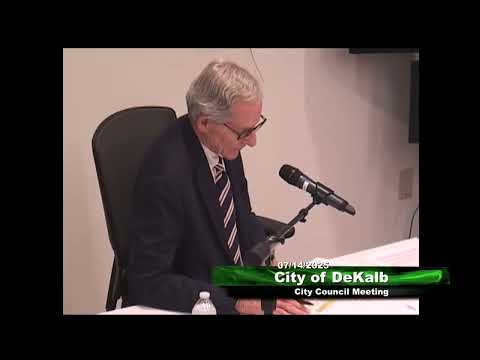
DeKALB, Ill. — During the public participation portion of the July 14 DeKalb City Council meeting, resident Kathy Gilroy urged the council to ban lottery vending machines, saying they allow access to gambling and are not age-gated in the same way the council had just banned vape vending machines.
Gilroy opened by congratulating the council on its unanimous ban of vape vending machines and then told council members she had conducted stings demonstrating that lottery vending machines sold tickets to minors. She said state oversight of lottery vending machines is limited and that the Illinois lottery and its oversight structure prioritize sales.
Gilroy cited her private stings and historical examples to argue the convenience and youth access risk of lottery vending machines. She said that because lottery vending machines do not perform age checks the city should not treat lottery vending machines differently from vape vending machines and requested the council "Please extend your leadership and take another bold step by banning lottery vending machines from DeKalb for the very same reasons that you unanimously banned vape vending machines."
Gilroy also raised concerns about adults with gambling addictions and the ability to use credit cards in lottery vending machines. The council did not take action on the request during the meeting; it was recorded as public comment and will be part of the public record.