
Guest attorney tells Orange County task force zoning, infrastructure limit housing supply
Get AI-powered insights, summaries, and transcripts
Subscribe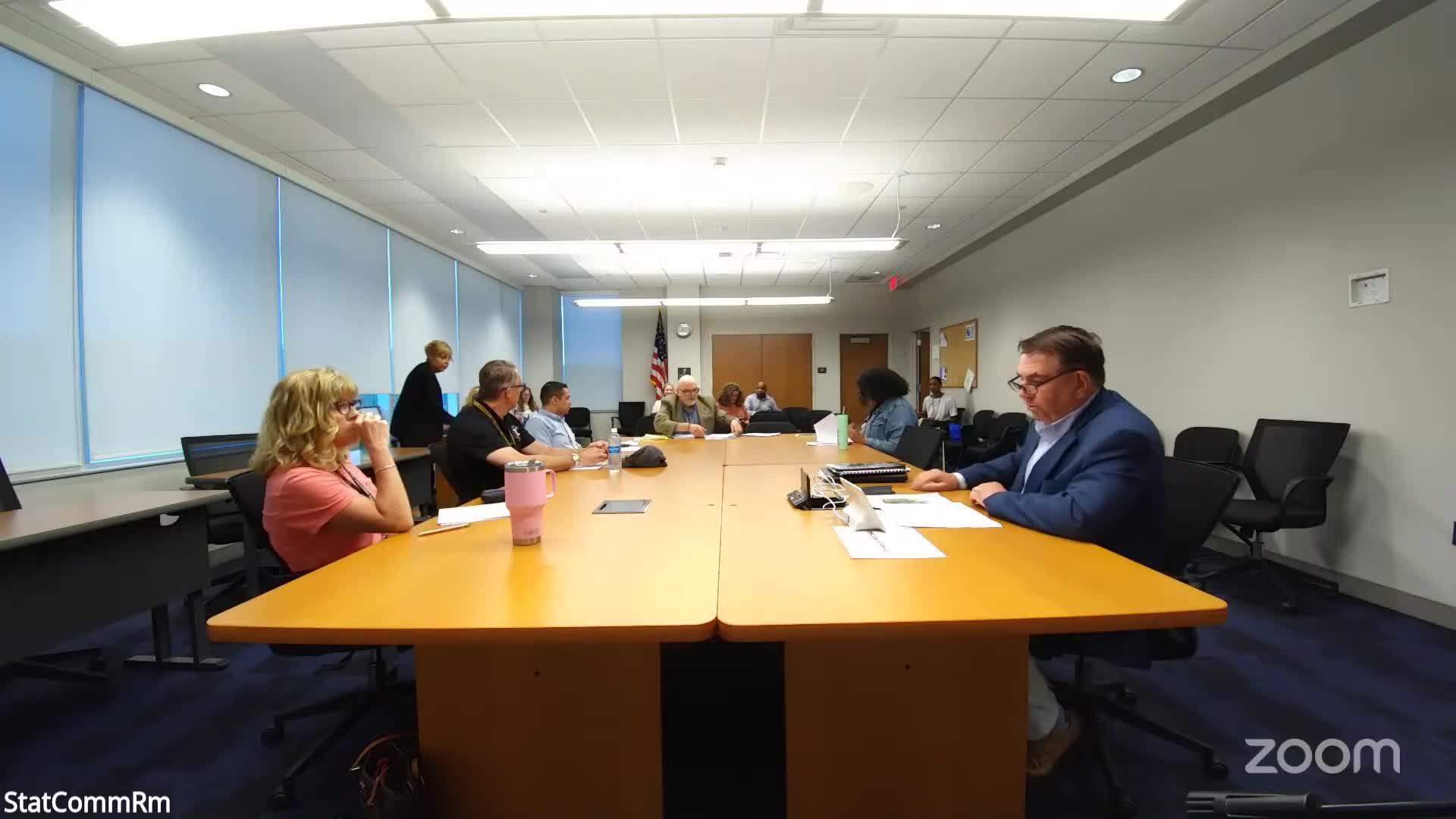
Summary
At a June 26 Housing Task Force meeting, attorney John Capello said local zoning, infrastructure gaps and NIMBY opposition constrain housing in Orange County and urged updating a 2004 tri‑county housing study and using county incentives or conditions to steer development.
John Capello, an attorney with J and G Law Firm in Walden, told the Orange County Housing Task Force on June 26 that local zoning and infrastructure shortfalls are major factors limiting housing supply and affordability in the county.
Capello, who said he has practiced land‑use law for more than 35 years and grew up in affordable housing in Niagara Falls, told the task force that “homes are now an economic investment” and that local policy choices — including low densities, deductions from density for slopes and wetlands, and opposition at public hearings — have made it harder to build middle‑income and workforce housing in communities across the Hudson Valley.
The presentation focused on several recurring themes: the county and its municipalities need updated data on housing need; municipal zoning often excludes multi‑family and manufactured housing; infrastructure (water and sewer) is missing in areas where development could be concentrated; and public opposition at hearings tends to shape local rules in ways that reduce new housing.
Why it matters: Capello warned that the county’s economic development gains will be undermined if new jobs do not come with nearby housing for workers. He cited examples of workers commuting from outside the county and said fewer young adults are remaining in the region. “If you’re paying more than 30% of your gross income towards housing costs ... you’re house poor,” Capello told the group, noting that the share of residents spending more than 30% of income on housing is a county concern.
Key points from Capello’s remarks - Update the 2004 Tri‑County housing needs study (Ulster, Dutchess and Orange counties) and use it to guide county and municipal planning. - Use county grant conditions and incentives to encourage municipalities to zone for housing near existing water and sewer and to preserve open space elsewhere. - Reduce regulatory barriers that “deduct” buildable density for slopes and wetlands without compensating by allowing denser housing in appropriate, served locations. - Consider manufactured housing and factory‑built homes as lower‑cost options and identify “host communities” with infrastructure to pilot projects. - Pair economic development projects with explicit housing plans so new jobs do not outpace local housing supply.
Questions and discussion after the presentation came from task force members and other participants. A committee member asked what incentives the county could offer; Capello recommended using county planning and conditional funding to encourage municipalities to meet “minimum standards” for housing in serviceable locations. Another member raised the need to reduce uncertainty for builders; Capello said certainty and timely approvals are critical for developers to commit to workforce housing rather than only market‑rate projects that target buyers from outside the county.
Capello also discussed state wetland regulations and their local effects, saying some urban‑area wetlands and 100‑foot buffers reduce buildable acreage in locations that otherwise have central water and sewer. He suggested that where preservation is required, municipalities should allow denser, multifamily development in appropriate locations so overall regional housing goals can still be met.
Capello urged the task force to combine county technical assistance, updated data and conditional funding to nudge municipalities toward planning that both preserves valued open space and creates housing near services. He closed by offering to provide materials from past presentations and to return for follow‑up questions.
The meeting concluded with a motion to adjourn that was moved and seconded; no other formal actions were taken on housing policy at the June 26 session.