Get Full Government Meeting Transcripts, Videos, & Alerts Forever!
Get email alerts on the District Budget topic
No spam. Unsubscribe anytime.
District projects mid-six‑figure shortfall as state budget and local revenues shift
Summary
Board members discussed a projected $742,000 deficit for the 2025–26 year, driven by state funding formula changes, a moved personal property tax aid, open‑enrollment losses, rising insurance costs and WRS rate increases; the board approved 2024–25 budget amendments but only discussed the 2025–26 gap.
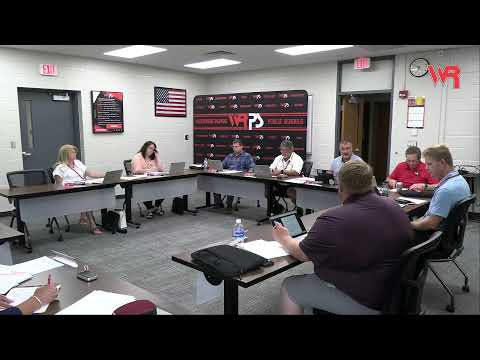
The school board discussed a projected $742,000 deficit for the 2025–26 fiscal year and approved amendments to the 2024–25 district budget during its July 7 meeting.
Board member Troy summarized recent state budget developments and their expected effect on local funding, noting changes to special education reimbursement, early literacy funding and one‑time mental‑health grants. The board’s finance staff, led by Aaron, presented district calculations showing a projected net shortfall driven by several state and local changes.
The board adopted the proposed amendments to the 2024–25 district budget and approved June receipts and disbursements. The 2025–26 budget itself was discussed but not voted on; trustees were briefed on new state estimates and local revenue changes that staff said will be incorporated into future drafts.
Why it matters: the combination of state formula adjustments and shifts in locally allocated aids will materially affect the district’s available operating revenue, staff and program planning for the coming school year.
Key details: - Projected shortfall: “We have a $742,000 deficit currently is what we're projecting,” a board speaker said when summarizing staff figures presented at the meeting. - Special education reimbursement: staff told the board the state budget raises the estimated reimbursement to roughly 42% (staff said they budgeted conservatively at about 41% because the state appropriation is a fixed dollar amount rather than an open-ended percentage). Staff estimated the district will receive about $1,458,000 in additional special‑education revenue under the budget assumptions used in the presentation. - Loss/movement of local aid: personal property tax repeal aid of about $402,000 that had been a stand‑alone item is now included in the revenue limit worksheet, effectively reducing available local discretionary revenue for the district. - Open enrollment: increased open‑enrollment flows were projected to reduce revenue by roughly $231,000 for the district. - Benefits and insurance: the district reported unusually high recent health‑insurance usage (a month with roughly 170% usage), forcing staff to budget for worst‑case renewal assumptions (a 9.5% increase for capped plans). The Wisconsin Retirement System employer rate notification will increase district costs by about $88,000 (a reported 3.6% rate change).
What the board decided and what remains open: - Approved: amendments to the 2024–25 district budget (motion passed by roll call) and routine financial approvals for June receipts and disbursements. - Discussed (no formal vote): the 2025–26 operating budget, including potential program and personnel cuts. Trustees and staff noted that several federal grants (see separate reporting in this meeting) are delayed or uncertain; if those funds are not released the district would need to identify recurring budget reductions.
Board context and next steps: trustees asked staff to continue refining 25‑26 projections as DPI certifies final state aid in October and as the district receives clarified federal grant guidance. Officials said they will present updated budget scenarios at future meetings and that the administration will examine options to limit classroom impacts while balancing the tax levy and reserve use.
Ending: the board’s discussion closed with members urging continued analysis and clarity from state and federal sources before the district adopts a final 2025–26 budget.