Get Full Government Meeting Transcripts, Videos, & Alerts Forever!
Get email alerts on the Education Truancy topic
No spam. Unsubscribe anytime.
Commissioners preserve $150,000 base for truancy services; move funds into contingency for cross-agency planning
Summary
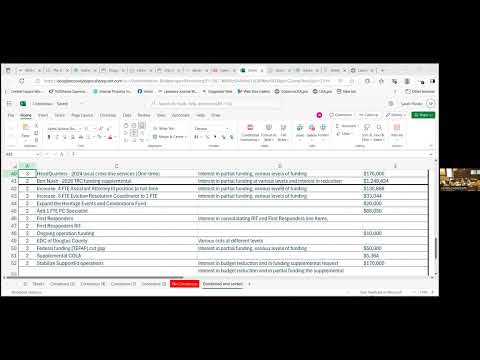
The Douglas County commission retained $150,000 in base funding for elementary truancy services (SupportEd) but did not approve a requested supplemental. Instead commissioners moved the base funding into the commissioners' contingency to allow county, school and justice partners to co-create a coordinated plan.
Douglas County commissioners said on July 15 they want to keep funding for elementary truancy services in place but restructure how those dollars are deployed. The commission preserved the $150,000 base allocation for SupportEd (the program addressing elementary-school truancy) but moved that amount into the commissioners' contingency to fund a collaborative planning process with the school district, district court and other partners.
Why it matters: Commissioners expressed the need for a coordinated approach to truant behaviors and for clear performance measures. SupportEd previously relied in part on AmeriCorps placements for program delivery; commissioners heard that loss of AmeriCorps funding would require a different staffing model and asked staff to outline alternatives before committing additional county dollars.
Key decisions: The commission did not approve SupportEd's supplemental request. Instead it retained base funding of $150,000 and placed it in contingency so staff can work with school and justice partners to craft a replicable model and identify sustainable funding. Commissioners asked staff to return with options that may include reassigning funds to criminal-justice services or structuring a contract that better ties outputs to outcomes.
Next steps: Staff will convene partner discussions and propose a detailed plan and budget so commissioners can consider implementation options during the next budget cycle.