Get Full Government Meeting Transcripts, Videos, & Alerts Forever!
Get email alerts on the Clean Energy Grants topic
No spam. Unsubscribe anytime.
City council approves budget amendments to accept community and clean-energy grants amid public skepticism on battery storage
Summary
Council unanimously approved ordinances to accept a Community Based Public Partnership (CBP3) grant and a Clean Energy Community grant. A public commenter questioned solar-plus-battery projects' return on investment and insurance and disposal costs.
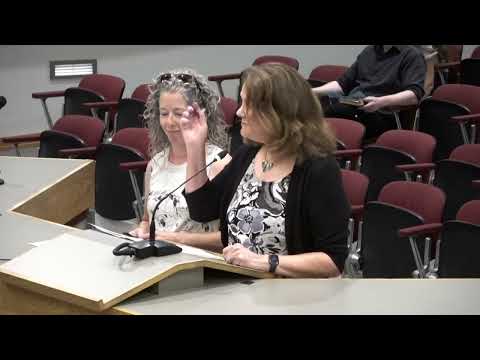
The Spokane City Council on July 14 amended the city's biennial budget to accept a Community Based Public Partnership (CBP3) grant and a Clean Energy Community grant, voting unanimously on both measures. The ordinances—listed in the record as c 36 7 13 (CBP3) and c 36 7 17 (Clean Energy Community grant)—were approved after short public-comment windows. Dennis Flynn, who identified himself during the meeting as a resident, urged council to reconsider the value and lifecycle costs of solar-plus-battery projects and raised insurance and disposal concerns about lithium-ion battery storage. "Have we included future disposal and replacement cost of new battery storage or the lifespan of the solar panels…?" Flynn asked, further questioning whether the city needs on-site battery storage when net-metering could offset consumption by returning generation to the grid. Flynn asserted that grant money ultimately comes from taxpayers and called the project "unnecessary" if it relies on battery storage for ROI calculations. Council did not debate Flynn's remarks at length on the floor; both ordinances passed 6-0. The meeting record shows no formal amendment to remove battery storage from the projects tied to the grants. The council's approvals add grant funding to the city's budget for clean-energy and community partnership projects. The ordinances were processed under emergency declarations in the biennial budget amendment package and will now allow the city to receive and allocate the specified grant funds as described in the ordinance language.