Get Full Government Meeting Transcripts, Videos, & Alerts Forever!
Get email alerts on the Transportation Infrastructure topic
No spam. Unsubscribe anytime.
Portsmouth council approves Coakley Road connector plan to speed culvert replacement
Summary
Council voted unanimously to lay out a new connector road between Coakley Road and Borthwick Avenue so engineers can close Coakley while replacing a failing culvert over Hodgson Brook; the council authorized pursuing property takings and a January 2027 construction target for the culvert.
The Portsmouth City Council voted unanimously to proceed with a planned connector roadway between Coakley Road and Borthwick Avenue intended to let crews replace a failing culvert over Hodgson Brook more quickly and at lower cost.
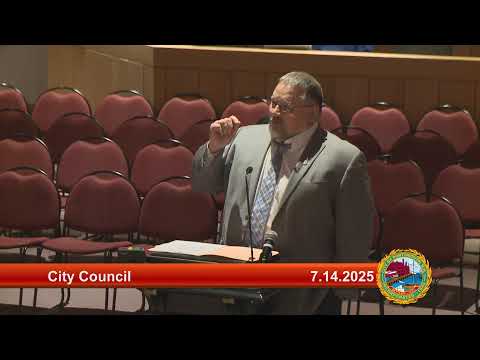
City engineers told the council the culvert is on a “red list” for structurally deficient bridges. Building a new connector across portions of two private parcels would allow the city to close Coakley Road during construction, avoiding complex in-place work in wetland areas and speeding the replacement. Eric Eby, the city engineer, said the connector would also provide a second egress for residents of the Coakley neighborhood, a sidewalk connection to the Borthwick Avenue multiuse path and an opportunity to remove a nearby traffic signal as part of a longer-term state-funded plan for the bypass.
How the project would work
The proposed road would run between the Granite Group Plumbing site and the Fairfield Inn property, splitting right-of-way impacts between the two properties. The city would seek permanent takings and temporary construction easements, and also apply for required wetland-buffer and conservation permits. Eby told the council the state selected Portsmouth for a federal congestion-mitigation grant to remove a traffic signal at the Cochey/Borthwick intersection, but that grant forbids using the award to construct new roadways; the connector therefore would be funded from the city’s capital-improvement program while the related signal-removal work would use grant funds.
Engineering, cost and timeline
City staff said an alternative—building a temporary bridge or trying to stage the culvert work in place—would be costly and could require substantial temporary wetland fill. Eby estimated building temporary traffic structures could be on the order of half the cost of the connector and would complicate schedule and environmental compliance; his office recommended the connector as the most cost-effective approach.
The council also heard from nearby residents and business owners during a reopened public hearing. Some residents criticized the plan as a new road that could induce more traffic; others supported the improved safety and the second egress for the neighborhood. Granite Group and Fairfield Inn representatives had told staff they were concerned about maintaining truck access and parking; staff said the design would offset nine lost spaces with on-street parking and provide driveway access for both businesses to the new roadway.
Eminent domain vote and next steps
The council approved a resolution making a formal highway layout and authorizing staff to pursue takings and easements; the vote was taken by roll call and was unanimous. City attorneys said laying out the road by eminent-domain process is the most efficient way to preserve the properties’ remaining lawful uses while acquiring the right-of-way. Staff said construction on the Hodgson Brook culvert replacement could begin as early as February 2027 if permitting and property acquisition proceed on the timeline presented.
Ending
Councilors stressed the project is an incremental step toward longer-term traffic improvements on the bypass and reiterated the city will work with property owners to limit impacts. The council asked staff to keep work on schedule and present design and permitting milestones in future meetings.