Get Full Government Meeting Transcripts, Videos, & Alerts Forever!
Get email alerts on the Immigration Enforcement topic
No spam. Unsubscribe anytime.
Portsmouth leaders hear residents’ alarm over ICE operations; police say they are not deputized
Summary
After recent enforcement actions by federal immigration authorities in the city, residents urged the City Council and police to push for transparency and protections; Police Chief Mark Newport told the council the department does not participate in ICE arrests and lacks authority to detain people for immigration violations.
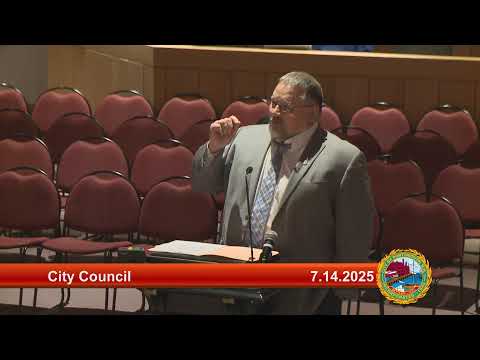
Portsmouth residents pressed the City Council on Tuesday to act after federal immigration enforcement activity in the city that several speakers described as terrifying and disorienting. The council heard more than a dozen public comments urging clearer local rules for visiting federal agents, better advance notice to affected communities and businesses, and concrete resources to help people know their rights.
The city’s police chief, Mark Newport, told the council the Portsmouth Police Department does not participate in Homeland Security or ICE investigations and “does not have the designation to detain anybody in the city for immigration purposes.” Newport said local officers receive notice when federal agents operate in the city “as a heads up,” but that the department was not involved in the two recent incidents residents mentioned and was not asked to respond.
Why residents pushed for action
Speakers said the recent arrests—some they said took place at restaurants or in a bank parking lot—have left immigrants, naturalized citizens and their co-workers afraid to work, shop or send children to school. Sofia, a restaurant manager who identified herself as a service-industry worker, asked the council whether police could provide more information to restaurant owners “if ICE is in town and as far as their locations,” so employers can protect staff and customers. Penelope Morrow said a security guard recorded an arrest in a bank parking lot and urged officials to do more to prevent future incidents.
Public commenters pressed for specific steps: that federal agents operating in Portsmouth wear visible identification and be unmasked when conducting enforcement, that badge numbers and supervising officer names be provided, and that the city create a hotline or local portal for residents to report possible abuses and learn their rights. Several speakers urged creation of a local information resource in English and Spanish and asked the council to support community outreach to reduce fear.
Police policy and limits
Chief Newport told the council that the Portsmouth department does not have 287(g) authority to act as immigration enforcement and “we have no intentions of gaining” that status. He said the police may, after arresting someone for a state crime, notify federal authorities if computer checks show interest from other agencies, but that is not the same as local officers making arrests solely on immigration grounds.
Council conversation and city response
Councilors acknowledged there are legal limits to what the city can direct federal agencies to do. Councilors described behind-the-scenes efforts by city staff to trace where people were taken after earlier incidents; city staff said that is difficult, time-consuming work that sometimes requires weekend follow-up. The council also said the city attorney’s office is taking legal steps: the city attorney has been authorized to sign an amicus brief challenging federal actions affecting naturalized citizens, council members said during the meeting.
Community organizers and civil-rights groups urged the council to press for local protocols specifying that any federal agents conducting enforcement within Portsmouth must carry visible identification and to push authorities to provide supervisor names and contact information. Catherine Haraki, an ACLU organizer, urged residents to support neighbors, “invite them to town meetings like this” and said the organization can help reduce harm.
What the city said it can and cannot do
Councilors and staff told residents the city will “stretch” where possible: they pledged to keep pressing for transparency and to collaborate with the police commission and police chief on local guidance. But they repeatedly warned that city control is limited—federal authorities are not required to share operational plans. Newport encouraged residents to call the police if they see suspicious activity and said officers will investigate and confirm whether visiting personnel are legitimate.
Ending
Residents asked the council for concrete next steps: clearer notice from federal agencies, public information about residents’ rights, a local reporting hotline and support for employees at businesses where arrests occurred. The council agreed to continue pursuing what authority the city does have and to return to the topic in subsequent meetings as staff and legal counsel explore options.