Get Full Government Meeting Transcripts, Videos, & Alerts Forever!
Get email alerts on the Handbook And Academic Policies topic
No spam. Unsubscribe anytime.
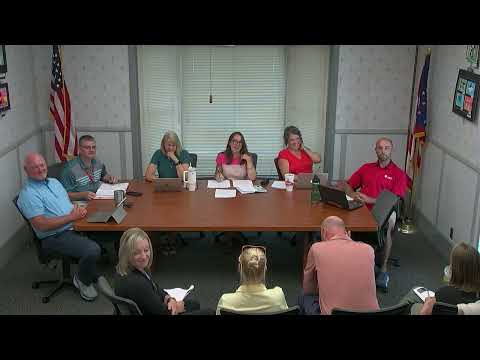
Troy school board approves updated administrative handbook with new AI and grading guidance
Summary
The board approved an updated administrative handbook that adds guidance on artificial intelligence use, revises early‑elementary grading language and allows future handbook updates to be communicated to families, the board heard and approved during the meeting.
The Troy school board approved revisions to the district’s administrative handbook that add guidance on student use of artificial intelligence, modify grading language for kindergarten through second grade and note the district will notify families if further handbook changes are made.
The board approved the handbook after a motion by Mrs. Walters and a second from Mrs. Davis. The motion carried; the meeting record shows the board voted in favor during roll call.
Board and staff presenters said the handbook changes are intended to clarify expectations rather than create new disciplinary procedures. A staff member who presented the update said the handbook now explicitly allows teachers to set the expectations for AI in assignments: if a teacher specifies an assignment must be wholly original, students should not use AI; if research or assisted drafting is permitted, teachers should tell students what is allowed. The presenter said the AI guidance was placed under the district’s plagiarism/academic integrity policy (policy 5200 was referenced in discussion), and that teachers should communicate expectations to students and families.
The handbook also revises elementary grading for kindergarten through second grade. The presenter described the change as moving away from a traditional A–F interpretation toward grade‑level‑appropriate performance indicators that indicate whether a student can meet, exceed or is progressing toward particular state standards. The presenter and other staff said similar report formats exist in other districts and that the change is newly adopted by the district.
Board members asked that the changes be clearly highlighted for families. One board member suggested the district notify parents about the K–2 grading change in back‑to‑school communications and at open houses so families see the new format before report cards are issued.
Staff said the handbook includes a general statement that future handbook updates will be communicated to families when changes are needed, and that potential future changes (for example, about cell phone usage) could be announced in the same way. School staff also said the district has an AI task force evaluating detection tools and that teachers currently use a mix of approaches — conversations with students, draft checkpoints and existing plagiarism‑detection software such as Turnitin — but the district has not adopted a single districtwide detection tool.
During discussion staff emphasized teacher discretion: teachers should set and communicate assignment parameters, and conversations with students are an important part of verifying authorship. The presenter said the intent is clarity for students and families, not to expand punitive measures.
The board’s approval followed the discussion; the motion to approve was made and seconded at the meeting and carried in roll call vote. The district indicated it will communicate the changes to families and include reminders during open houses and other back‑to‑school communications.
Less central to the approval, staff noted the handbook updates do not immediately change salaries or other personnel conditions; they are administrative and communicative in scope.
The district said it will continue to evaluate AI detection tools, keep teachers informed, and ensure family notifications about handbook changes occur before changes take effect.