County health director warns state and federal changes will push costs to local taxpayers
Loading...
Summary
Pine County Health and Human Services director Becky Fassen told the county board that county HHS relies on many non-levy funding sources but faces mounting underfunded mandates and likely state and federal cost shifts in 2027–2029 that could increase local levies.
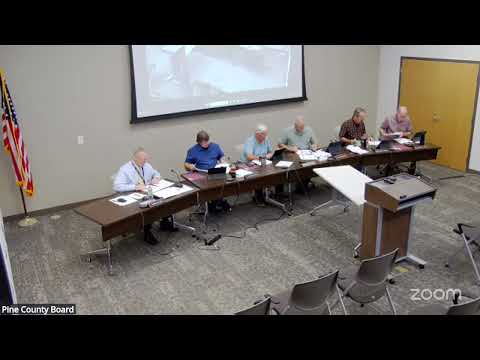
Becky Fassen, Pine County Health and Human Services director, told the county board on July 15 that while non-levy funds make up the largest share of the HHS budget, impending state and federal policy changes will increase county costs and likely require higher local tax levies. Fassen said the department’s 2025 budget shows social services is the largest division and relies most heavily on tax levy dollars, while public health receives only about 5–10% of its funding from levy. "The tax levy is just one of the sources of funding with health and human services," she said, "and it's not the biggest source of income that we have." The presentation listed several underfunded mandates the county currently pays for: county burial expenses, nonemergency medical transportation administrative costs, child protection services, clinical supervision for mental-health staff and on-call child-protection coverage. Fassen said many of those requirements are specified in state statute but lack dedicated state funding. Fassen highlighted specific fiscal risks ahead: a state requirement she referred to as "MACPA" (state rule slated to be effective Jan. 1, 2027) that will raise compliance and staffing needs; potential waiver-services cost shifts in 2027 that could raise the county levy by an estimated several percentage points; and two planned federal changes to SNAP administration that, if implemented as projected, could shift administrative costs to counties and increase Pine County’s levy by an estimated 4.2–4.4 percent. She said Minnesota’s SNAP payment-error rate (about 9% in FY 2024) could also trigger costs. Fassen warned that additional administrative work tied to future Medicaid eligibility checks and SNAP changes would increase county workload even if benefit rolls fall. "If you're doing two to three times as much work for that 4,000 people, you're still doing more work," she said. The director said HHS has tried to minimize levy dependence by maximizing reimbursements and grants but called 2026–2028 a difficult budgeting period, adding that without changes at the state or federal level the county will likely need either levy increases or unsustainable use of reserves. Board members asked questions about demographic trends and service demand; Fassen said child-protection referrals have decreased over the past decade but cautioned that a single expensive placement or an adult who no longer meets level-of-care requirements can quickly strain the budget. "It only takes one or two cases to bust the entire budget," she said. The board did not take formal action on the presentation. Fassen’s slides and a handout with county estimates were provided to commissioners for budget planning and were discussed further in follow-up conversation about August budget sessions. Looking ahead, county staff and commissioners flagged the topic for further discussion at the Association of Minnesota Counties (AMC) level and within the county’s upcoming budget work sessions.