
District hears first reading and wide discussion of proposed student device policy; committee to refine junior-high rules
Get AI-powered insights, summaries, and transcripts
Subscribe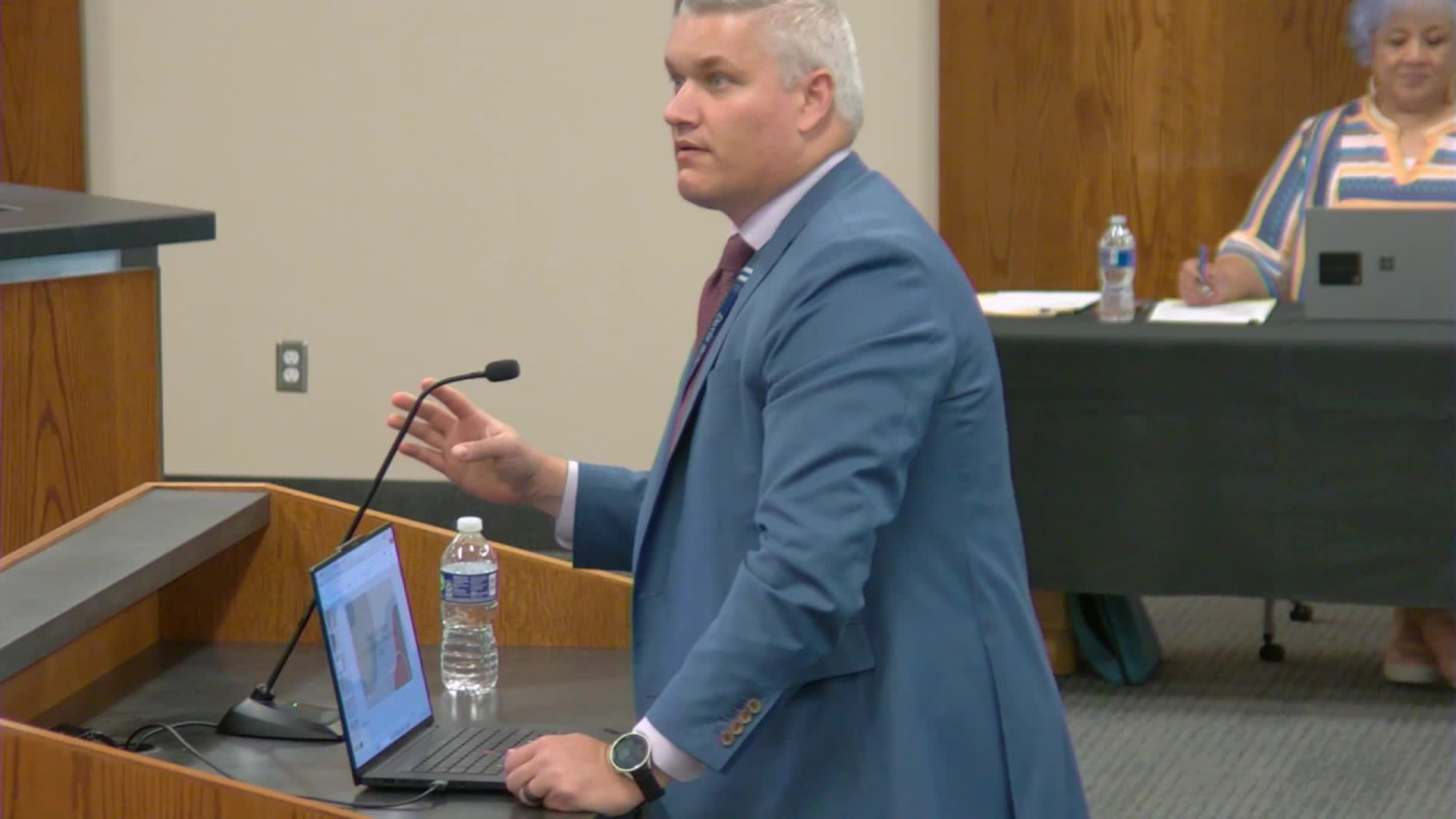
Summary
Ben Onofrio, the district policy presenter, summarized a proposed student electronic device policy and said it is a first reading that will return to the board for specific direction.
Ben Onofrio, the district policy presenter, summarized a proposed student electronic device policy drafted by the policy committee and framed it as a first reading that will return to the board for decisions after further discussion.
Onofrio said the proposal responds to the recent legislative direction and described the draft’s tiered approach: “basically bell to bell no cell phones in elementary school,” limited use in junior high (lunch) and broader allowances in high school (lunch and passing periods), with explicit exemptions for IEP/504 accommodations and medical or safety needs. He said enforcement would use the district’s student code of conduct.
Board members debated the junior-high approach most intensely. Several members urged stricter, bell-to-bell rules in junior high to support students’ focus and social development; others — including administrators and some board members — cautioned about enforcement workload and suggested leaving more discretion to principals or aligning junior highs with high-school rules. Superintendent Dan Linford and other administrators stressed the need for consistent discipline responses while acknowledging differences in school culture and enforcement capacity.
Board members and committee members discussed additional implementation details: require any discretionary in-class device use (for digital-literacy lessons or teacher-approved academic tasks) to be preapproved by administration and limited to academic purposes; ensure alternate submission methods for students without phones; and communicate with parents so they support enforcement at school. Committee members also pointed out that the draft already includes emergency exceptions (including SafeUT) and that the district plans to provide necessary classroom technology alternatives where phones are disallowed.
No vote was taken; Onofrio asked the board to identify specific changes for the next meeting. The policy will appear as a business item on an upcoming board meeting agenda for more formal action.