Get Full Government Meeting Transcripts, Videos, & Alerts Forever!
Get email alerts on the Treasurer Payment Transparency topic
No spam. Unsubscribe anytime.
Commissioners question $5,000 monthly treasurer payment; fair board defends role and transparency
Summary
County commissioners questioned why the fairgrounds pays a contracted treasurer $5,000 per month when other similar bookkeeping services were quoted at much lower rates; the fair board said the treasurer’s duties go beyond bookkeeping and are statutorily required, and both sides agreed to exchange written quotes and documentation.
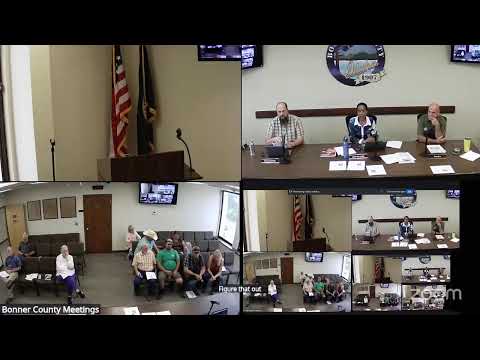
County commissioners pressed the Bonner County Fair Board on a $5,000-per-month payment to a contracted treasurer and on overall financial transparency at a meeting that brought fair board members, the county manager and multiple commissioners together to review budget priorities.
Commissioners said the $5,000 monthly payment — about $60,000 annually — is substantially higher than a $1,200 flat monthly rate cited for bookkeeping services used by an ambulance district and asked the fair board to explain the difference. Commissioner Corn and others said they want written documentation of the rate, the job scope and comparative quotes before approving further county support.
The fair board said the treasurer role is not a simple bookkeeper and that the appointee performs a broader treasurer function “as dictated by statute,” was reviewed by county legal staff and has produced financial controls and reporting the board said were not previously available. Tim Mahan, Fair Board member, said the board had compared multiple firms and that in the board’s review some outside firms quoted higher prices for the full scope of duties the treasurer now performs.
Treasurer Samantha Schmidt told commissioners that transaction counts vary widely by season and that invoice/entry work is cyclical around fair events. When commissioners asked for a per-transaction comparison, Schmidt cautioned that transaction counts alone do not capture complexity: “A transaction could take, you know, 45 seconds or it could take 5 minutes,” she said, and added that she would not give a fixed quote without reviewing the books.
County staff and commissioners recommended several transparency steps: the fair board agreed to provide written quotes and the detailed job scope for the treasurer position, and county staff urged the fairgrounds to consider integrating financials into the county Munis system so commissioners could receive regular, consolidated reports. Jessica (county staff) explicitly offered to help produce a combined budget showing enterprise revenues and county-supplemented expenses so both sides can evaluate funding needs.
Next steps: the fair board agreed to send the county copies of outside quotes it has received and to provide the requested job-scope documentation. Commissioners said they may re-evaluate the appropriate funding level for the treasurer position once they have comparable written proposals. The matter raised broader questions about how enterprise funds are reported to elected officials and whether a separate FTE or a differently scoped contract would better serve the fairgrounds’ needs.
Ending: both sides emphasized they want to avoid personnel attacks and to focus on “the position, not the person.” Commissioners asked for written documentation and regular financial reports so future budget requests can be evaluated within the county’s routine budget process.