Get Full Government Meeting Transcripts, Videos, & Alerts Forever!
Get email alerts on the Public Lands Leasing topic
No spam. Unsubscribe anytime.
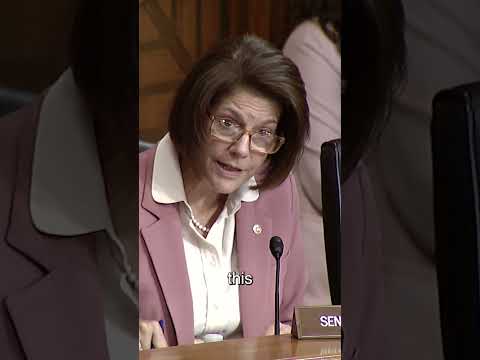
Sen. Cortez Masto presses Forest Service on plans to reopen Ruby Mountains to leasing
Summary
Sen. Catherine Cortez Masto questioned a Forest Service official during a Senate committee hearing about whether the administration plans to open the Ruby Mountains in Nevada to oil, gas and critical-minerals leasing, citing a prior 2019 Forest Service finding and a previously introduced Ruby Mountains Protection Act.
Senator Catherine Cortez Masto pressed a Forest Service official during a Senate committee hearing about whether the administration intends to open the Ruby Mountains in northern Nevada to oil, gas or critical-minerals leasing.
Cortez Masto said the Ruby Mountains are "one of my state's most cherished places" and asked officials to explain what critical-minerals production the Forest Service expects to develop there, noting prior agency findings and legislation intended to protect the area.
Her questions referenced a 2019 Forest Service finding that recommended no leasing in the area because of "very low potential to develop oil and gas resources" and public opposition. Cortez Masto told the panel that the committee previously approved her bill, the Ruby Mountains Protection Act, to permanently prohibit oil and gas development there, and she said the Biden administration had initiated a 20-year administrative withdrawal process to protect the Ruby Mountains from leasing before protections were reversed by the subsequent administration.
Cortez Masto said, "Nevadans don't want drilling in the Ruby Mountains," and asked, "What production of critical minerals does the Forest Service expect to develop in the Ruby Mountains?"
A Forest Service official (unnamed in the transcript) responded that "typically what happens with leasing of minerals, the Forest Service isn't out there trying to basically promote a certain activity or not, but it would be made available if there if someone deemed that there was a resource there that would be available for leasing. And I think that was the intent of this action." The official later told the senator, "I think there's nothing going on other than we wanna make these lands available to be leased."
Cortez Masto criticized restarting the process, saying several determinations and denials had already been made under prior administrations and that restarting the review appeared to repeat prior work and use agency resources. "It makes no sense. We're wasting the resources of your men and women that work for you," she said, asking why the administration could not rely on previous findings.
The exchange in the transcript is framed as questioning and explanation; no formal decision, vote or directive appears in the provided record. The Forest Service official described the agency's leasing practice in general terms but did not provide a specific estimate of critical-minerals production, a timetable for any withdrawal or reopening, or a named plan to resume leasing in the Ruby Mountains.
Meeting materials referenced in the exchange include the Ruby Mountains Protection Act (a bill the committee previously approved, as cited by Cortez Masto), a 2019 Forest Service finding recommending no leasing, and a 20-year administrative withdrawal process announced by the Biden administration (which Cortez Masto said was later reversed by the Trump administration). The transcript does not show a formal action taken at the hearing to adopt or reject those authorities.
For now, the record shows a senator pressing for clarity on whether lands that earlier agency findings and a proposed bill sought to protect would be made available for leasing if a resource claim is made; the Forest Service official limited the agency description to its standard practice that mineral leasing would be made available if a resource is demonstrated.