
North Lincoln Sanitary proposes 6% rate increase as Recycling Modernization Act begins
Get AI-powered insights, summaries, and transcripts
Subscribe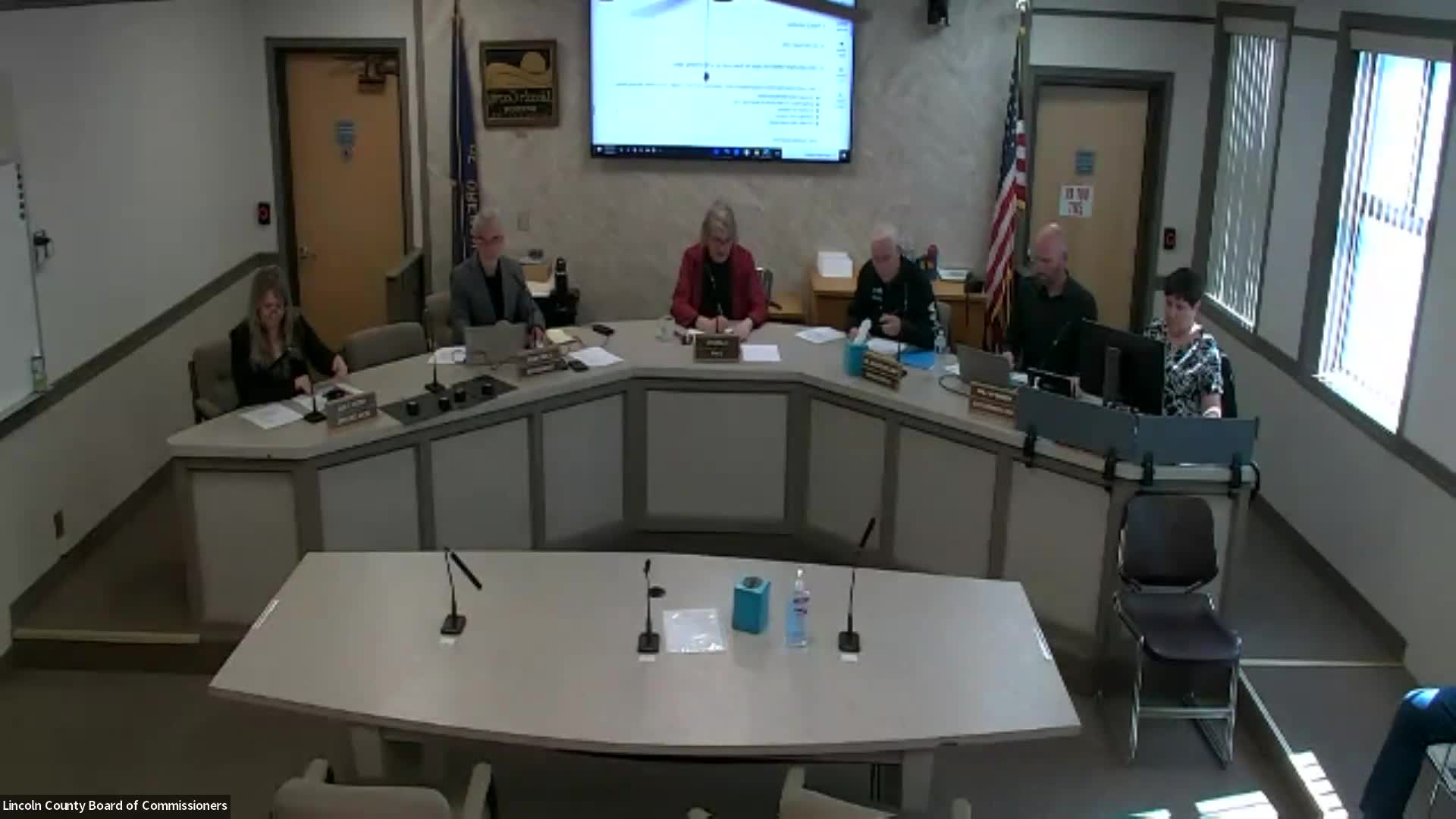
Summary
North Lincoln Sanitary told the Lincoln County Board of Commissioners it is proposing a 6% countywide rate increase, citing higher labor, insurance and disposal costs and uncertainty from the Recycling Modernization Act and potential Coffin Butte landfill access changes.
North Lincoln Sanitary, the county’s largest unincorporated hauler, asked the Lincoln County Board of Commissioners on July 2 to approve a 6% rate increase across its Lincoln County service area, citing rising labor, insurance and disposal costs and uncertainty tied to statewide recycling policy changes.
The increase ‘‘proposes a 6% rate increase, across all 3 of our municipalities,’’ North Lincoln Sanitary representative Tina French told the board, adding the company expects to remain at the low end of its operating ratio if approved. The company said it budgeted just over $3,000,000 for the year but actual revenue came in lower, in part because disposal tonnage fell.
Why it matters: Commissioners were presented with specific local impacts — higher commercial liability insurance (French said the carrier notified the company of about a 28% increase this year), unexpected paid-family-leave usage that required an extra full-time equivalent worker, and the potential loss of Coffin Butte landfill access. French said modeling done for the county estimated a $3–$4 per-customer-per-month increase if Coffin Butte were no longer available.
North Lincoln Sanitary described contingency options. The company reported Waste Management is preparing a rail-loading transfer arrangement at Millersburg that could route loads to Arlington, Washington; French said Waste Management quoted $60–$72 per ton delivered to that rail option. The hauler said those rates would be materially higher than current costs but could be preferable to running long-haul transfers with small local fleets.
The presentation also summarized recycling and compost participation and the implementation of Oregon’s Recycling Modernization Act (RMA), effective July 1. North Lincoln Sanitary staff said Lincoln County is eligible for several RMA funding streams, including a $77-per-ton glass incentive, a negotiated transportation reimbursement for miles traveled to a certified material recovery facility (MRF), and contamination-reduction education funds (up to $3 per capita). The company told the board it plans to route those funds through the county for accounting and to show them on future rate reviews.
On organics and commercial compost, North Lincoln Sanitary said the hauler expects growing demand and regulatory rollout for commercial food-waste recovery and that infrastructure and costs will be a challenge. French said commercial compost is ‘‘pretty expensive’’ now because loads are heavy and often contaminated.
The presentation included smaller-item updates: mattress takeback remains under negotiation because the hauler’s time-and-labor study found collection costs far higher than the initial EPR payment offer; the company also encouraged residents to use its mobile app for service updates and search tools for recyclables.
Commissioners asked clarifying questions about the Coffin Butte risk, the per-customer modeling, and whether RMA funds would offset disposal costs; the company said RMA funds do not apply to disposal and would not meaningfully offset landfill-closure-related transport costs.
The board took no formal vote on rates at the meeting; the presentation was received for discussion and informational purposes.