Get Full Government Meeting Transcripts, Videos, & Alerts Forever!
Get email alerts on the Parks Survey 2025 topic
No spam. Unsubscribe anytime.
Parks and Recreation posts survey showing broad support; residents call for maintenance and more indoor sports space
Summary
The borough’s Parks and Recreation winter 2025 community survey (667 responses) shows 92% of respondents agree parks and rec improve quality of life and an average well‑being score of 8.1 out of 10; respondents prioritized maintaining/upgrading existing facilities and requested more indoor sports, accessibility and communication improvements.
Fairbanks North Star Borough Parks and Recreation presented results of a winter 2025 community survey at its June 19 meeting, reporting 667 online responses and broad support for parks and programs while identifying priorities for maintenance, accessibility and indoor sports facilities.
Survey highlights presented by Matthew Boyer, Parks and Recreation director, included:
- Participation and attitudes: 92% of respondents agreed Parks and Recreation improves quality of life (66% strongly agreed). Respondents gave an average personal well‑being impact score of 8.1 out of 10. - Top uses: Trails, walking/hiking and gardening ranked high in participation. In winter, Nordic skiing and rink skating were frequently used; summer top activities included gardening, bicycling and picnicking. - Priorities: The community favored maintaining and upgrading current facilities over building new parks. There was moderate interest in indoor sports facilities (including an indoor turf field) and extended hours for pools and gyms. - Accessibility and inclusion: 88% reported borough recreation spaces feel welcoming; several open‑ended responses called for more ADA‑accessible entrances and equipment. - Outreach: Facebook and word‑of‑mouth were the primary channels by which respondents heard about programs; staff posted the survey via Survey123 (ArcGIS) and facility QR codes.
Methodology and response context
Boyer said the survey was available online from Feb. 10 through March 31, 2025, and promoted via parks and rec facilities, Facebook groups and partner organizations. He reported 667 total respondents and said the department used automated tools to categorize hundreds of open‑ended replies.
Commissioners and statistical cautions
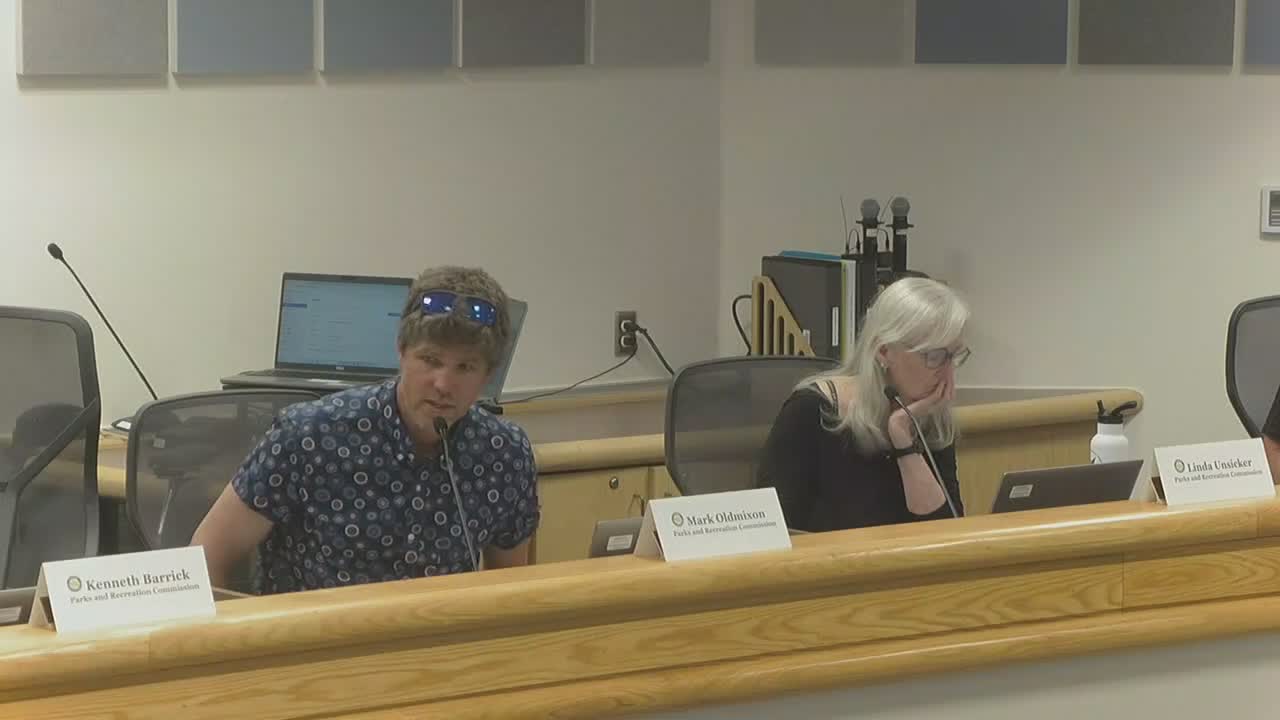
Commissioner Ken cautioned that online, social‑media‑based surveys are self‑selected and recommended consideration of randomized samples for statistical validity in future cycles: “if you're using Facebook or social media as your dominant source of respondents… you have what's called a self selected sample,” he said. Staff agreed to explore broader outreach methods (paper surveys, on‑site tablets) to increase representativeness.
How the department will use the results
Boyer said the department will use survey feedback to prioritize maintenance and capital requests, refine outreach and inform program scheduling. He also noted the survey findings were useful during recent budget discussions for staff morale and to illustrate community value of services. Staff plan to repeat a consistent core survey annually to track trends and will present a cost‑recovery model to the commission in September and proposed fee changes in December.
Limitations
The survey was online only and staff acknowledged the sample skews to respondents who are active online and engaged with parks and trail groups. Commissioners suggested deploying additional methods to solicit input from underrepresented groups before finalizing long‑term planning and funding proposals.