
Assembly approves higher incentives for wood‑stove change‑out program; deed restriction requirement discussed
Get AI-powered insights, summaries, and transcripts
Subscribe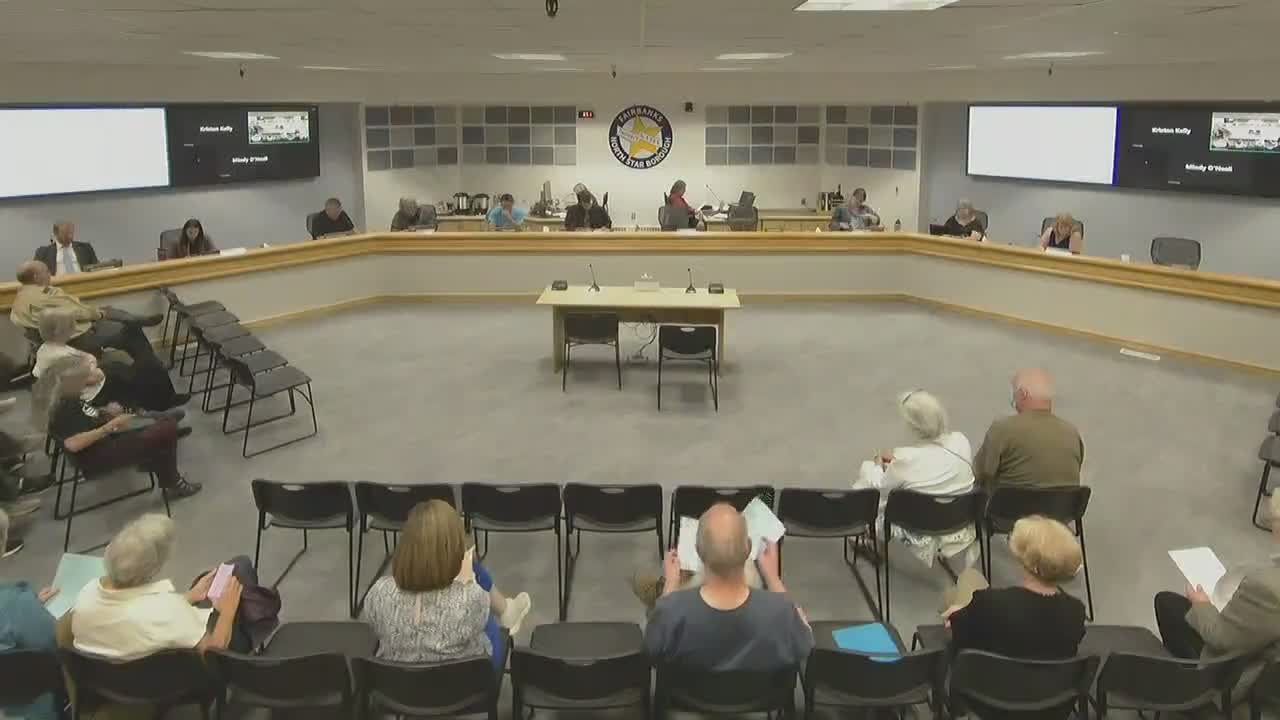
Summary
The assembly adopted an ordinance increasing incentive payments for the borough’s solid‑fuel appliance removal ("change‑out") program after staff said the rise would help residents cover higher replacement costs; the program remains tied to state and EPA grant rules that require recorded deed restrictions.
The Fairbanks North Star Borough Assembly unanimously approved Ordinance 2025‑11 to raise incentive levels for the borough’s solid‑fuel burning appliance removal program — commonly known as a wood‑stove change‑out program.
Steve Hoke, Air Quality Manager, said the program operates under multiple targeted airshed grants (2019, 2021 and 2023) and that the ordinance increases incentive rates across those programs by roughly 25 percent to address rising equipment and installation costs. Hoke said the increases already have been pre‑cleared by state and federal partners and added to grant work plans.
During public comment, some speakers supported the increase as a way to reduce emissions and help households afford conversion to cleaner systems. Others cautioned that federal grant terms commonly require property deed restrictions to guarantee permanent emissions reductions — a feature some residents object to. Jeff Whipple asked whether deed restrictions could be removed; Hoke said deed restrictions are a condition of the federal grants and that removing them would require lengthy renegotiation with grantors.
The ordinance passed 9‑0. Assemblymembers asked staff to continue public outreach and reminded residents that grant eligibility and exact incentive amounts depend on the type of replacement and the specific grant funding the household uses.
What happens next: The air‑quality division will implement the higher incentive schedule in accordance with existing grant administration processes and continue to coordinate with DEC and EPA on grant reporting and participant eligibility.