Get Full Government Meeting Transcripts, Videos, & Alerts Forever!
Get email alerts on the Joy Closure topic
No spam. Unsubscribe anytime.
Commission hears staff describe program losses after assembly defunds Joy Community Center
Summary
Parks and Recreation staff and the borough mayor told the commission June 19 that an assembly budget amendment will defund operations at Joy Community Center starting July 1, forcing staff relocations and program moves and threatening growth in senior and adaptive services.
The Parks and Recreation Commission heard detailed reports June 19 about the operational and community impacts of Joy Community Center’s closure after a recent borough assembly budget action.
Recreation manager Cynthia Ice told the commission the closure will disrupt senior and adaptive programming that had grown since moving to Joy. “Joy has provided more than just a physical place. It has created an environment for inclusivity, accessibility, and belonging,” Ice said, adding that the center’s single‑level layout and quiet areas made it uniquely suited to wheelchair users and participants with sensory needs.
The closure follows an assembly budget amendment the mayor described as a close vote. Mayor Merrill said, “it was a hard vote … it was a 5‑4 vote by the assembly to keep Joy Community Center closed.” He clarified the assembly did not order demolition but voted to remove staff funding and user‑fee support for the facility, which will take effect July 1.
Why it matters: Joy had become a stable home for adaptive recreation, senior exercise classes and community groups. Staff and volunteers said returning programs to other borough facilities will reduce accessibility and capacity, with specific effects on class sizes, equipment storage and caregiver logistics.
What staff told the commission
Cynthia Ice, the recreation manager at Joy Community Center, described program scale and relocation challenges: some programs now count about 80 current applicants (historically about 120), gardening programs host 15–20 participants plus caregivers, and open‑gym adaptive sessions see roughly 30 participants. “Losing space at Joy means losing the growth in accessibility,” Ice said. She outlined operational moves: six employees will need new assignments; adaptive staff will be relocated to Marysci Rec Center and the program coordinator and senior staff may move to borough offices. Ice said a $10,000 cost estimate had been given for keeping Joy open through the end of the calendar year.
Director context and next steps
Matthew Boyer, Parks and Recreation director, reviewed the budget process and the timing of assembly amendments. He told commissioners the director’s office and staff were notified about proposed assembly amendments shortly before public votes. Boyer said the department will try to secure leases and alternate spaces where possible but cautioned that suitable, accessible options are limited. “We had a lot of public testimony in favor of it… I do not believe, very strongly do not believe that those actions are what this community wants,” Boyer said about the assembly’s decisions concerning Joy and other facilities.
Commission response and limits on action
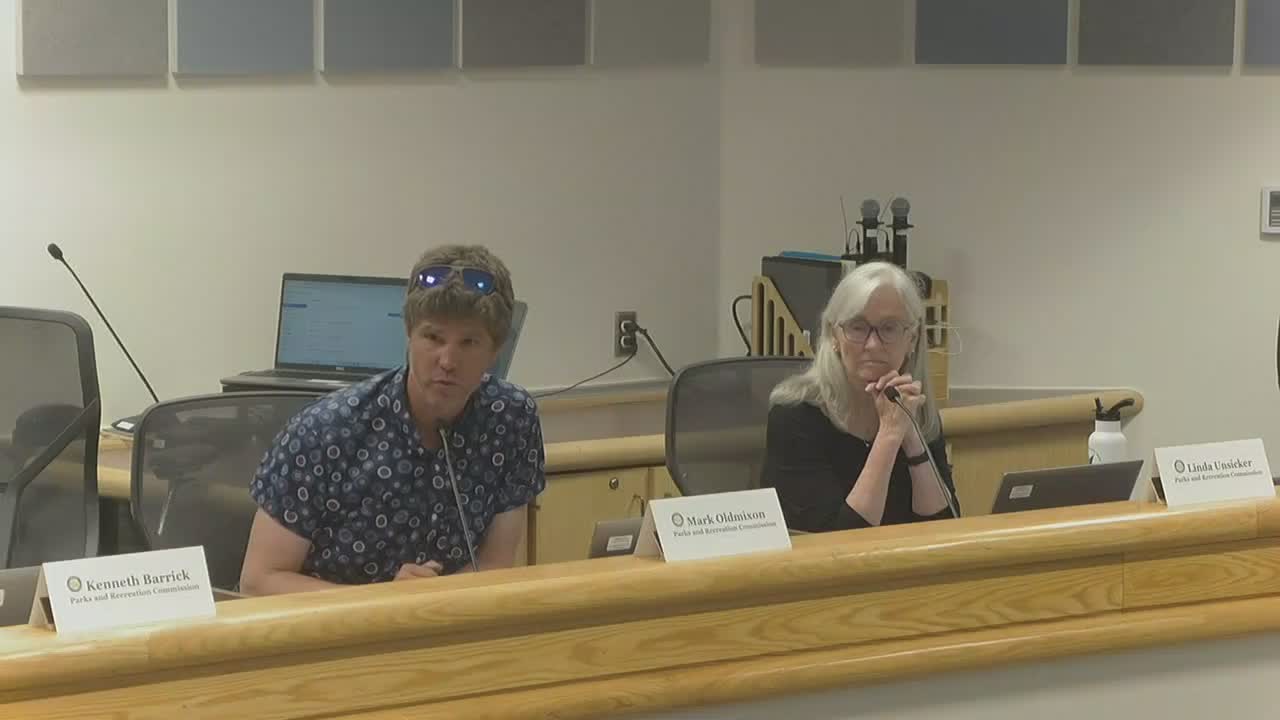
Commissioners pressed the mayor and staff for ways the commission could be more involved earlier in budget decisions. Commissioner Ken asked whether the commission could be notified when assembly items affecting parks are on the schedule and proposed options such as an ex‑officio assembly presence and a formal timeline for closure notices. Mayor Merrill said the administration will convene commissions later this summer to define roles and suggested the parks and rec comprehensive plan (planned by the planning department) could be a venue for commission input.
The commission was told the Parks and Recreation Commission cannot reverse the assembly’s budget vote. Commissioners discussed advocacy steps—letters, public testimony and special meetings—but staff said there is no administrative process available now to undo July 1 changes. “At this point, Joy will be closing. It’s being defunded,” Ice told the commission.
Impact details and uncertainties
- Programs and users affected: adaptive recreation (wheelchair basketball, adaptive gym time, biking, cross‑country ski programs), senior exercise classes and multiple community groups including Special Olympics, interior softball, Fairbanks Table Tennis, Fairbanks Native Association/TCC and others. Ice said many community organizations already struggle to find reliable, accessible spaces. - Scale: Ice reported about 80 applicants in the adaptive program currently (versus ~120 historically); gardening programs serve 15–20 participants plus caregivers; open gym sees roughly 30 participants. - Staff: six employees will be reassigned; exact office placements and program schedules remain under planning. - Short‑term alternatives: Marysci Rec Center (accessibility and elevator concerns), Carlson Center (priority rentals may limit availability), and a City Hall gym offered without rent in the short term.
What the commission can do
Commissioners asked for clearer advance notice of budget proposals and for the department to prepare evidence (user counts, program value statements, economic/nonmarket benefits) the commission could use when testifying to the assembly. Director Boyer said the department will present a cost‑recovery model in September and fee proposals in December, and will share budget memos and timelines earlier where possible.
Where this goes next
The operational changes are set to start July 1. Staff will present relocation plans and specific schedule adjustments in follow‑up staff reports; the commission discussed convening a special session or issuing statements for the assembly record but no formal commission motion or vote to reverse the assembly action was taken at the June 19 meeting.