Get Full Government Meeting Transcripts, Videos, & Alerts Forever!
Get email alerts on the Public Lands topic
No spam. Unsubscribe anytime.
Missoula forum warns House bill and related moves would roll back protections and strain public‑land management
Summary
A Missoula Resists forum on public lands brought Montana activists, former candidates and conservation leaders together to outline provisions in House Bill 1 and other federal actions they say would open public lands to sale, fast‑track industrial projects and weaken agency capacity.
Panelists at a public forum organized by Missoula Resists in Missoula said recent federal proposals and agency actions threaten public‑land protections, regional economies and the agencies that manage parks, forests and wildlife habitat.
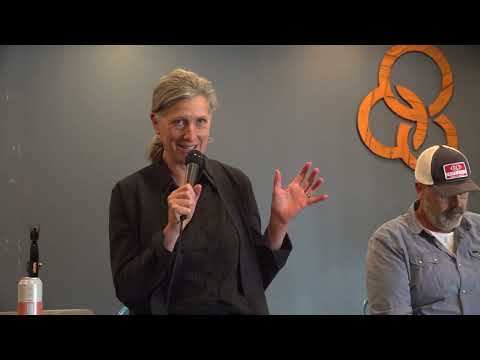
"Missoula Resists is an organization that's community led in Missoula," the event organizer said, opening the meeting and noting the discussion was scheduled quickly after House action on H.R. 1 was postponed to July 4. The panel included former candidates, conservation leaders and local advocates who laid out policy changes they say are embedded in the package of bills and executive actions now under debate in Washington.
Panelists focused on three linked concerns: a land‑sale provision championed by Sen. Mike Lee in the Senate and earlier House language they said would make federal acres eligible for sale; carve‑outs that would allow large corporations to bypass routine environmental review under the National Environmental Policy Act; and agency staffing and funding cuts that panelists said are already reducing on‑the‑ground services.
Monica Tranel, an attorney and public‑lands advocate on the panel, said the changes are personal for many people who work on federal lands. "This is personal," Tranel said. "People who work on these public lands have really, really been hurt intentionally." She described seasonal staff layoffs, firings and rehires that left many offices without experienced crews to maintain trails, issue permits or support firefighting logistics.
Panelists said House Bill 1 (H.R.1) as passed by the House contained multiple provisions affecting public lands beyond the sale proposal, including a mechanism they described as allowing large industrial applicants to pay to avoid full NEPA review and language that would fast‑track mining and drilling near sensitive places. A speaker identified the Boundary Waters Canoe Area in northern Minnesota and the Arctic National Wildlife Refuge as specific areas targeted in different provisions discussed in the package.
Landon (panelist name in transcript), speaking about interests behind the sale, urged listeners to investigate donors and private equity: "Follow the money," he said, calling out private equity and large institutional landowners as beneficiaries if federal land were privatized.
Speakers described operational impacts they attribute to recent federal staffing and policy changes. One panelist said Region 1 of the U.S. Forest Service has no deputy regional foresters and that the National Park Service had roughly 100 open superintendent positions. Another panelist estimated a 15–25% reduction in staffing at some field offices and said counties that depend on Payments in Lieu of Taxes (PILT) and the outdoor visitor economy will feel the results.
The panel repeatedly cited economic stakes for Montana. A panelist referenced national estimates placing the outdoor economy at roughly $1.2 billion (as discussed at the forum) and said outdoor recreation in Montana contributes at least a comparable amount to agriculture for state communities, with hunting seasons and park gateway economies bringing sharp seasonal revenue to rural towns.
The forum also discussed the so‑called "DOGE" intrusions into federal systems (panelists referred to earlier disruptive incidents in agencies) and a recent federal decision to roll back the roadless rule that protects about 58 million acres of roadless national forest land, a change panelists said will accelerate pressure on intact forests and watersheds.
Panelists urged local civic action: public comment on agency rulemakings, contacting members of Congress (particularly Republican officeholders in Montana), visible social‑media pressure on congressional pages, and participation in local governing boards such as county commissions and airport authorities. They emphasized in‑person, local advocacy—showing up at county meetings or town halls—because they said those forums make officials answer directly to constituents.
Audience members raised questions about local representatives and the possibility of recalls; the panel did not endorse any specific recall procedure. Panelists reiterated that much of the fight would be legal, political and local: litigation over regulatory rollbacks, congressional floor votes or amendments, and persistent grassroots pressure.
The forum combined policy briefing, legal context and strategic advice for citizens who want to oppose provisions in the federal package and to support agency capacity. Panelists repeatedly stressed that while some provisions had been delayed or removed from the House version, related provisions remained under active consideration in the Senate and in agency rulemaking.
The meeting closed with panelists urging continued engagement and with practical suggestions for people looking for immediate ways to help, from telling personal stories on social media to attending local public meetings. "Make them look you in the eyes," one speaker said, urging direct, face‑to‑face accountability from elected officials.