Get Full Government Meeting Transcripts, Videos, & Alerts Forever!
Get email alerts on the Housing Affordability topic
No spam. Unsubscribe anytime.
Missoula candidates make housing supply and zoning reform the central focus of forum
Summary
Candidates at a Missoula City Council forum prioritized housing affordability and supply, urging zoning changes, more housing supply, and expanded public funding tools such as community land trusts and TIF reallocation.
Housing dominated a candidate forum for Missoula City Council seats, where multiple candidates said greater housing supply and zoning reform are the most urgent actions the city must take to address rising prices and homelessness. Candidates running in Wards 1, 2 and 3 repeatedly emphasized zoning changes, accessory dwelling units and public–private partnerships as levers to increase housing availability.
Why it matters: Missoula candidates framed housing as a crosscutting problem for affordability, workforce availability and homelessness. Several said market forces and short-term rentals have reduced long-term housing supply, and they proposed city policy changes to expand the number and type of homes available.
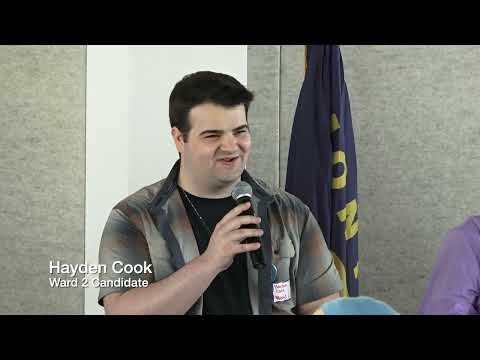
Candidates described the scale of the problem in direct terms. Justin Ponton, a Ward 2 candidate, said, “In the last 5 years, the median home price in the city of Missoula is up 59%.” Nathan Daniel Koyan, running in Ward 3, told the audience a local example of the pressure: “20% of the properties on my block alone are occupied by short term vacation rentals.” Incumbent City Council member Daniel Carlino framed housing as a human-rights issue: “I believe everybody should have, housing as a human right,” he said, linking housing policy to broader social services.
Specific proposals discussed at the forum included revising zoning and building codes to allow duplexes, triplexes, small multifamily units and backyard accessory dwelling units (ADUs); expanding funding for deed-restricted affordable housing; using Tax Increment Financing (TIF) and other public financing tools toward affordable units; and greater support for community land trusts and nonprofit-owned housing. Several candidates said code reform now underway offers a rare chance to allow more housing types across residential zones, which they argued could increase near-term supply in existing neighborhoods.
Candidates also debated what the city should do when private developers will not build deeply affordable housing. Suggestions ranged from redirecting existing public financing (citing TIF and Municipal Revitalization Authority tools) to creating or expanding city-owned or community-managed affordable properties and land-trust models. Justin Ponton called for continued use of public–private partnerships and TIF where appropriate; others argued for stronger deed restrictions and more direct public investment in below-market rental units.
Candidates agreed on the role of zoning reform and streamlined permitting to reduce construction delays and costs. One candidate described permitting timelines as part of the cost problem: lengthy approval processes make cost estimates unreliable and deter developers from starting projects.
The forum highlighted broad consensus on housing as the top municipal priority, while revealing different emphases: some candidates prioritized fiscal review and property-tax restraint as a way to ease pressures on homeowners and renters; others emphasized community land trusts and publicly managed housing as a corrective when the private market fails to produce affordable units.
Looking ahead: Candidates said they would pursue code changes, incentives for ADUs and partnerships with existing housing organizations if elected. Several urged more funding to the city’s Affordable Housing Trust Fund and stronger deed restrictions on subsidized units.